1. Why Is “The Devil Wears Prada 2” Suddenly Trending?
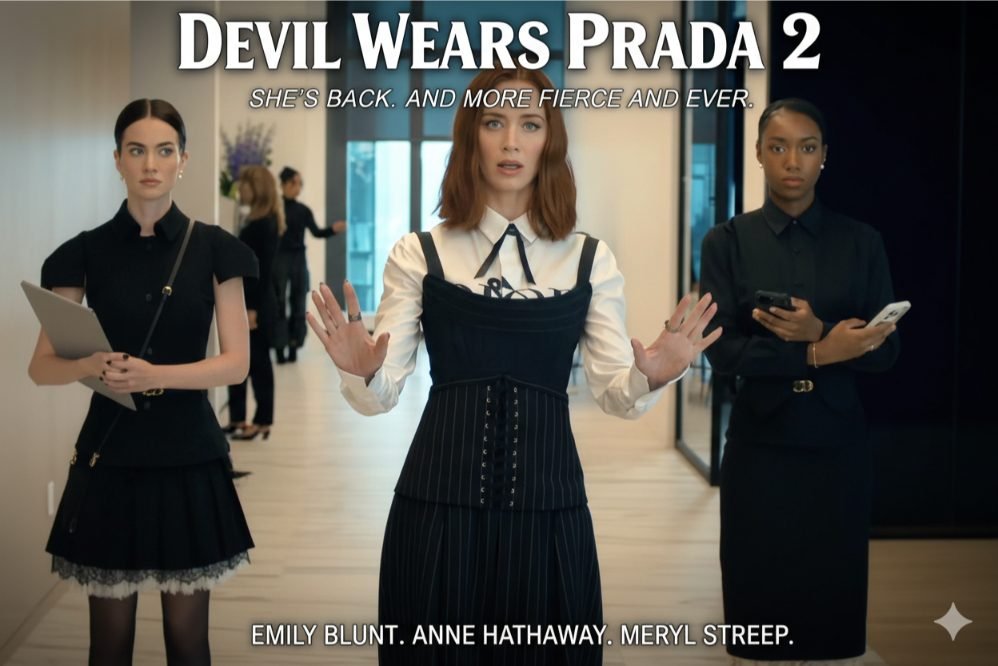
The announcement and trailer release of The Devil Wears Prada 2, set for May 1, 2026 theatrical release, has triggered unprecedented digital engagement across multiple social media platforms. The official full trailer was unveiled on February 1, 2026, during the Grammy Awards broadcast, immediately capturing viewer attention and generating over 3.5 million YouTube views within hours.
Social media platforms became the primary epicentre of this phenomenon. On X (formerly Twitter), TikTok, Instagram, and Reddit, the film dominated trending conversations with specific phrases such as “Emily’s Revenge” and “Gay Christmas” resonating across fandoms. The teaser trailer, released in November 2025, had already shattered viewership records for a comedy film, but the full trailer release amplified the phenomenon exponentially.
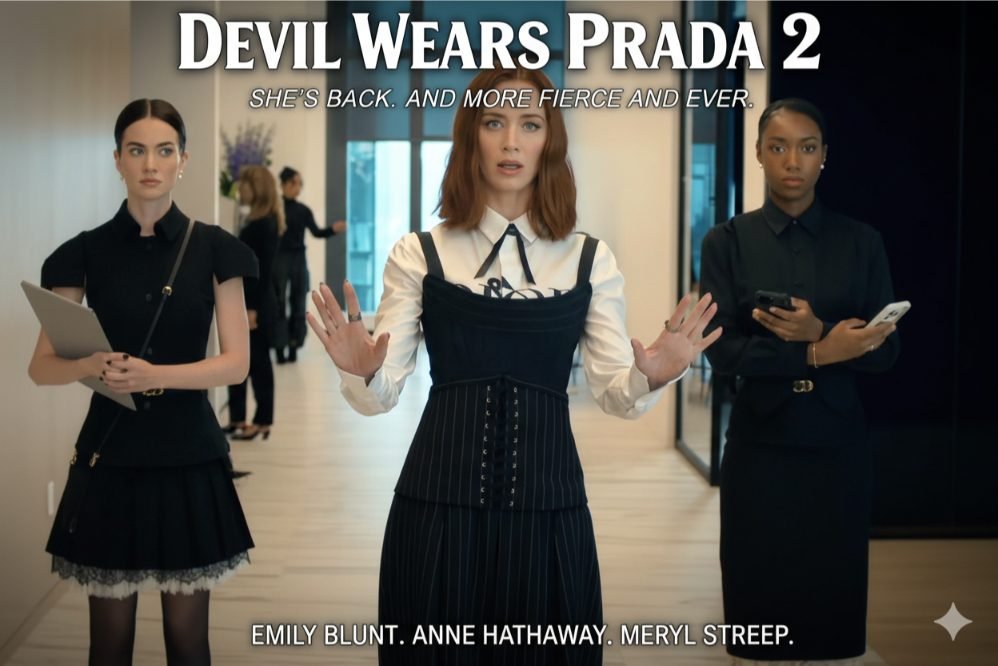
What distinguishes this trend from typical Hollywood sequel hype is the nature of the conversations. Rather than superficial excitement, audiences are engaging in substantive discussions about workplace dynamics, media evolution, power structures, and gender representation. The trending status reflects genuine cultural curiosity rather than mere nostalgic sentiment.
2. It’s Not Nostalgia—So What’s Driving the Hype?
The original The Devil Wears Prada debuted in 2006, becoming a cultural phenomenon that grossed USD 326 million worldwide. However, the current trending phenomenon indicates something distinctly different from audiences simply wanting to revisit the past.
The 2026 remake addresses contemporary concerns that resonate with modern audiences. The screenplay, penned by returning writer Aline Brosh McKenna, intentionally positions the narrative within today’s media landscape. Miranda Priestly, the formidable editor-in-chief of Runway magazine, now confronts the decline of print media in the digital era—a reality that mirrors actual challenges facing the publishing industry.
The film explores themes of institutional adaptation, professional power dynamics, and workplace culture that have become increasingly relevant to Gen-Z and millennial audiences. Emily Charlton’s character evolution—now positioned as a high-powered executive at a luxury conglomerate controlling critical advertising revenue—represents the shifting nature of influence and power in contemporary business. Andy Sachs’ progression from timid assistant to confident features editor at Runway magazine illustrates individual growth and professional identity formation.
These narrative elements transcend fashion industry specifics, engaging broader conversations about ambition, burnout, gender dynamics in workplaces, and the tension between legacy institutions and emerging power structures.
3. The Miranda Priestly Effect in Today’s World
Meryl Streep’s portrayal of Miranda Priestly remains iconic, and the character’s relevance in 2026 explains much of the trending phenomenon. Modern audiences reinterpret Miranda through contemporary leadership discourse, creating debate about toxic management versus transformational mentorship.
In the original film, Miranda epitomised demanding perfectionism and ruthless efficiency. Twenty years later, this characterisation resonates differently. Some viewers reframe Miranda as a powerful woman navigating competitive industries with strategic acumen. Others maintain that her behaviour exemplifies workplace toxicity requiring contemporary reckoning. This interpretive division has sparked extensive discourse on social platforms.
The trailer sequence where Miranda initially fails to recognise Andy—asking Nigel, “Do you know her? Do I know her?”—has triggered extensive discussion about memory, professional relationships, and how leaders acknowledge the development of their subordinates. The moment suggests narrative complexity that promises character depth beyond surface-level personality traits.
Viral clips featuring Miranda’s iconic moments are resurfacing across TikTok, Instagram, and YouTube with new contextual commentary. Famous dialogues and fashion moments are being reframed through contemporary feminist criticism, workplace psychology, and professional ethics discussions.
4. Fashion Isn’t the Star This Time
While the original Devil Wears Prada centred heavily on haute couture, luxury brand aesthetics, and fashion industry specifics, the 2026 sequel has shifted its thematic focus. Social media conversations demonstrate that audiences are more engaged with narrative substance than costume design.
The film positions office culture, professional burnout, and ambition as central thematic elements. The power struggle between Miranda maintaining control of legacy Runway against Emily’s emerging corporate influence—and Andy’s positioning between these forces—represents broader workplace conflicts that resonate far beyond fashion enthusiasts.
Gender politics emerge as another significant conversation point. The original film featured strong female characters operating within a female-dominated workspace. The sequel appears to expand this exploration, examining how women navigate competitive professional environments, negotiate power, and respond to institutional change.
Younger audiences particularly connect with these themes. Gen-Z engagement with the trending content focuses less on designer labels and more on professional identity formation, workplace expectations, and the realistic challenges of career progression. This shift indicates that The Devil Wears Prada 2 will resonate with audiences far beyond traditional fashion aficionados.
5. Is Devil Wears Prada 2 Actually Happening?
Yes—The Devil Wears Prada 2 is officially confirmed for theatrical release on May 1, 2026, distributed by 20th Century Studios. This is not speculation, rumour, or fan theory; it represents a genuine production with confirmed cast, crew, and distribution agreements.
The entire original principal cast has officially committed to returning. Meryl Streep reprises Miranda Priestly, Anne Hathaway returns as Andy Sachs, Emily Blunt continues as Emily Charlton, and Stanley Tucci resumes his role as Nigel Kipling. Director David Frankel, who helmed the original film, returns to direct, while Aline Brosh McKenna, who wrote the original screenplay, has written the sequel.
Producer Wendy Finerman, who produced the original film, continues involvement as producer, ensuring creative continuity. This returning creative team—rather than replacement directors or writers—provides assurance that the sequel will maintain tonal consistency with the original.
The production officially commenced on June 30, 2025. On-set reports indicate that the principal cast actively engaged with production through October 2025, completing principle filming. The film’s PG-13 rating targets broad theatrical audiences, positioning it for wide commercial release.
6. What Fans Want From a Sequel (And What They Don’t)
Fan discourse on social media reveals nuanced expectations for the sequel. Audiences express simultaneous anticipation and apprehension, hoping for continuation without duplication.
Fan theories circulating on Reddit and TikTok suggest various narrative possibilities. Some theorise that Andy and Miranda’s relationship will evolve beyond the mentor-student dynamic. Others speculate about Emily Charlton’s strategic positioning as antagonist or unexpected ally. Discussion forums debate whether the film will directly address the decline of print media or use this reality as background context rather than central focus.
A significant concern echoes across fan communities: the fear of ruining the original’s legacy. The original The Devil Wears Prada concluded satisfactorily, with clear character arcs and emotional resolution. Many fans express concern that a sequel might undermine this legacy through inferior storytelling, unnecessary plot developments, or abandonment of the original’s tonal sensibilities.
However, the presence of the original creative team—David Frankel, Aline Brosh McKenna, and Wendy Finerman—substantially mitigates these concerns. Their demonstrated commitment to the source material and original vision provides reassurance that the sequel will respect established character dynamics and narrative foundations.
Modern sequel expectations have evolved substantially since 2006. Audiences now demand that sequels justify their existence through substantive narrative contributions rather than mere commercial exploitation. The Devil Wears Prada 2 appears positioned to meet these contemporary expectations.
7. Social Media Made It Trend—Here’s How
The viral phenomenon surrounding The Devil Wears Prada 2 demonstrates the powerful mechanisms through which modern social media generates and sustains cultural trends.
TikTok edits featuring iconic moments from the original film, overlaid with contemporary commentary, circulated extensively following trailer release. Creators spliced scenes with modern audio references, fashion critiques, and workplace observations, generating millions of views. The platform’s algorithmic recommendation system amplified this content, reaching audiences far beyond traditional fashion circles.
Instagram reels showcasing character aesthetic analysis, costume breakdowns, and thematic discussions contributed to the trend’s sustained visibility. Fashion creators and entertainment commentators leveraged the platform to analyse costume design, cinematography, and narrative implications, reaching diverse audience demographics.
Influencers and fashion personalities provided authentic commentary that extended beyond promotional material. Their organic engagement—discussing the trailer’s implications, sharing personal reactions, and debating narrative direction—generated credibility that amplified broader interest.
The hashtag #DevilWearsPrada2 accumulated millions of posts across TikTok, Instagram, and X. Related hashtags including #MirandaPriestly, #DevilWearsPrada, and #RunwayMagazine appeared in trending sections globally. This hashtag saturation ensured sustained visibility and accessibility for audiences seeking information and participation in the conversation.
YouTube commentary channels contributed analytical depth, examining trailer details, speculating about plot developments, and contextualising the sequel within contemporary cinema. These longer-form discussions provided substantive content that sustained engagement beyond initial viral moments.
Best Movies to Stream Right Now (2026 Update): Top Picks Across Netflix, Prime & Disney+
Grammys 2026 Winners List: Full Results, Big Surprises & Record Breakers
8. Could a Sequel Work in 2026?
The commercial and cultural viability of The Devil Wears Prada 2 depends on multiple factors. The current enthusiastic fan response and widespread social media engagement suggest considerable audience interest, which historically correlates with strong opening weekend performance.
The changing audience mindset presents both opportunities and challenges. Contemporary viewers possess greater critical sophistication regarding sequels, demanding narrative justification beyond nostalgia exploitation. However, the film’s apparent thematic commitment to addressing contemporary workplace dynamics and media industry challenges suggests substantive storytelling rather than mere fan service.
The decision for theatrical rather than streaming release reflects distributor confidence in the film’s commercial viability. Theatrical releases for major studio productions typically indicate expectations of strong box office performance. The May 1 release date positions the film precisely before the Met Gala weekend—timing strategic for maximum fashion industry engagement and cultural conversation.
Box office versus cultural impact presents an important distinction. While commercial success matters for studio profitability and career trajectory, the trending phenomenon indicates that The Devil Wears Prada 2 has already achieved significant cultural impact before theatrical release. The extent of social media engagement, critical discourse, and audience interest demonstrates that this film has become a cultural event transcending traditional box office metrics.
Streaming services represent another consideration. While theatrical distribution dominates the commercial model, eventual availability on streaming platforms will ensure extended engagement and repeated viewership, potentially generating sustained cultural relevance beyond opening weekends.
9. Final Verdict: A Trend Bigger Than a Movie
The Devil Wears Prada 2 trending phenomenon extends beyond typical film industry hype. This moment reflects broader cultural conversations about workplace dynamics, female representation in professional environments, media industry evolution, and the complex relationship between legacy institutions and contemporary demands for change.
The film’s cultural significance lies not merely in its commercial potential but in its capacity to generate substantive discourse about themes relevant to contemporary audiences. The trending status indicates that audiences are engaging with the film as more than entertainment—they are engaging it as cultural text addressing contemporary anxieties and aspirations.
The enduring interest in Miranda Priestly’s character, two decades after the original film’s release, suggests that this fictional character has achieved cultural staying power comparable to actual cultural figures. The reinterpretation of Miranda through modern leadership discourse, feminist criticism, and workplace psychology demonstrates how popular culture continues to generate meaning across generational and temporal boundaries.
Whether this hype sustains through May 1 theatrical release and beyond depends on whether the film delivers substantive content matching audience expectations. However, the preliminary trending phenomenon indicates that The Devil Wears Prada 2 has already established itself as a significant cultural moment, regardless of critical reception or box office results.
The conversation surrounding this sequel will likely continue evolving, as audiences encounter the actual film and interpret it through their individual perspectives. This ongoing engagement—the capacity to generate new discussions and interpretations—represents the truest measure of cultural impact in contemporary media landscapes.
Release Date: May 1, 2026
Cast: Meryl Streep, Anne Hathaway, Emily Blunt, Stanley Tucci, Kenneth Branagh, Simone Ashley, Lucy Liu, and others
Director: David Frankel
Writer: Aline Brosh McKenna
Distributor: 20th Century Studios
Rating: PG-13

Asif Ali is an entertainment content creator and movie enthusiast at Movie Trend. I covers the latest movie news, OTT updates, and trending entertainment stories with a focus on accuracy, originality, and reader value.