
The concept of Sarvam Maya – meaning “everything is illusion” – has resurged as a trending philosophical discussion in 2025, particularly following the release of the Malayalam film “Sarvam Maya” on December 25, 2025. This ancient Hindu principle, rooted in Advaita Vedanta, addresses why humans chase temporary desires and what constitutes true reality. In an era of digital burnout, mental health awareness, and spiritual curiosity among younger generations, understanding Sarvam Maya has become profoundly relevant. Beyond the recent film release, this philosophical concept explains why material success fails to satisfy deeper existential questions and offers a framework for living with clarity and peace in modern life.

What Does “Sarvam Maya” Mean?
Sarvam Maya combines two Sanskrit words: “Sarvam” (everything) and “Maya” (illusion or appearance). The concept doesn’t suggest the physical world is fake – rather, it exists at an empirical level but is spiritually unreal compared to the unchanging, absolute truth. In Vedantic philosophy, Maya is a powerful force creating cosmic illusion, making the phenomenal world appear real when it’s fundamentally transient and impermanent.
The crucial distinction is between appearance and reality: Maya refers to constantly changing phenomena, while Brahman – the unchanging Absolute – represents ultimate reality. Everything with name and form, including thoughts, emotions, social status, and wealth, falls within the realm of illusion. Understanding this difference is foundational to grasping why the world cannot provide permanent happiness despite its superficial appeal.
Origins in Advaita Vedanta Philosophy
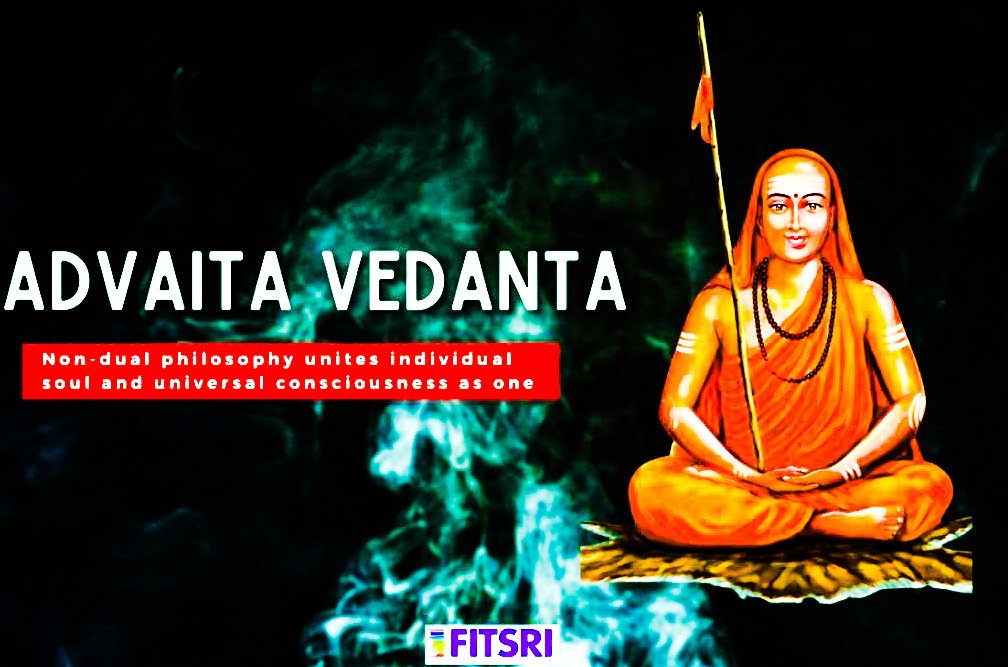
Sarvam Maya is deeply rooted in Advaita Vedanta, systematized by Adi Shankaracharya in the eighth century. Advaita means “not-two” or “one without a second,” reflecting the belief that only Brahman – the ultimate reality – is truly real, while the material world’s multiplicity is not fully real. Shankaracharya revolutionized Indian philosophy by proposing that Atman (individual consciousness) is identical with Brahman (universal consciousness), and all apparent separation results from Maya.
The rope and snake analogy famously illustrates this: just as someone mistakes a coiled rope for a snake in darkness, humans mistake the world’s multiplicity for ultimate reality while remaining unaware of the unchanging Brahman underlying existence. The Upanishads – ancient scriptures forming Vedantic philosophy’s foundation – mention Maya in contexts of magic, creation, and divine power. This ancient lineage explains why Sarvam Maya continues resonating across Indian culture as centuries of accumulated wisdom about human existence.
Sarvam Maya Explained Simply Through Daily Life
Consider how humans chase temporary things despite knowing they won’t bring lasting happiness. A person works relentlessly for money, believing wealth brings peace – only to discover more money brings more worries. This is Maya at work: the illusion that external possessions provide lasting satisfaction.
Money and success exemplify this perfectly: Money appears valuable, yet its value depends entirely on collective agreement and constantly changes. People sacrifice years for financial security, only realizing the security itself is illusory. A job promotion promises happiness; after achieving it, the person immediately pursues the next goal, never finding lasting contentment.
Social media and online identity represent modern Maya in action. People curate idealized online versions, while others compare their real lives to these filtered illusions. The illusion is that online identity is real and others’ success is permanent – when in reality, it’s all temporary and ultimately empty of meaning. Relationships and ego illustrate how illusion shapes thinking: people often associate their worth with others’ opinions, yet their true nature remains unchanged regardless of external perception. These everyday examples demonstrate Sarvam Maya is not distant philosophy but practical understanding of why humans suffer.
Why Sarvam Maya Is Trending in 2025
Several contemporary factors have brought Sarvam Maya into trending status. First, mental health awareness has reached unprecedented levels, with meditation, mindfulness, and yoga – all rooted in understanding non-attachment – recognized by Indian government initiatives as foundational to well-being. Understanding Sarvam Maya provides a framework for comprehending why people experience anxiety and depression.
Second, digital burnout and social media pressure have become global epidemics, particularly among Indian youth. The constant pressure to maintain online presence creates psychological stress. As people recognize how illusion online affects their mental health, they naturally turn to Sarvam Maya philosophy explaining why social media feels both compelling and ultimately hollow.
Third, spiritual curiosity among youth has surged, with younger Indians seeking meaning beyond materialistic pursuits. This generation, witnessing materialism’s limitations, seeks philosophical frameworks addressing deeper questions. Sarvam Maya offers exactly this – explaining why chasing material success feels eternally incomplete.
Fourth, minimalism and detachment trends align perfectly with Sarvam Maya, questioning consumerism and advocating simpler living. The concept that material possessions are ultimately illusions with no lasting value resonates with movements rejecting overconsumption.
Sarvam Maya and Modern Life Applications
Career and success should not define self-worth or happiness, though they remain functionally important. Many professionals report that reaching career goals brought temporary satisfaction followed by greater anxiety – because they attached identity to external achievements. Understanding Sarvam Maya allows pursuing careers effectively without slavery to the illusion that success provides permanent fulfillment.
Relationships also benefit from this understanding: attempting to find complete happiness through partners, parents, or children sets one up for disappointment. Not because relationships are unimportant, but because they’re temporary and changing. A healthier approach involves engaging fully while recognizing transient nature.
Online identity application is perhaps most contemporary: understanding that projected personas are largely illusory helps people disengage from believing online validation provides real fulfillment. This doesn’t mean abandoning digital platforms but using them intentionally without illusion.
Material desires operate throughout modern life as primary behavioral drivers. People work for goods believing they’ll bring happiness – luxury homes, cars, gadgets – yet satisfaction proves temporary. Understanding Sarvam Maya reframes this: these objects aren’t inherently problematic, but attaching happiness to them is illusory. A practical application involves using materials for functional value while remaining emotionally detached.
Sarvam Maya vs Reality: What’s Actually Real?
If Sarvam Maya teaches the world is illusion, what is real? According to Advaita Vedanta, Brahman – pure consciousness, existence, and bliss – is the only ultimate reality. Unlike the constantly changing world, Brahman is eternal, unchanging, and the underlying substratum of all existence.
Everything dependent on time, space, and causality is within Maya’s realm. Your thoughts change, body changes, status changes – all place them in the illusory realm. What remains unchanged is consciousness itself – the witness of all changes, the “I am” persisting whether young or old, successful or unsuccessful.
Awareness versus attachment represents the practical distinction: you need not ignore the world but must stop identifying your true nature with it. You can engage with the world and pursue goals without illusion that experiences define your nature. This distinction is what liberation (Moksha) means: recognizing your true nature as consciousness is already free, already complete, and was never bound by illusion.
Applying Sarvam Maya in Daily Life
Applying Sarvam Maya practically involves specific mindset shifts. Recognizing illusion in real time: When anxious about work presentations, pause and examine the illusion – you’re attaching worth to outcomes. The shift recognizes that your core consciousness cannot be diminished by external evaluation.
Reducing attachment without abandonment means pursuing necessary goals while releasing fantasy that achieving them permanently satisfies. Pay bills, study, maintain relationships – but understand these don’t determine fundamental well-being.
Practicing awareness through meditation, observing thoughts without identifying with them, directly demonstrates Sarvam Maya. Watching thoughts arise and disappear shows the distinction between consciousness (witness) and mental content (illusion).
Living responsibly without illusion means meeting obligations while recognizing they’re valuable without being ultimate meaning sources. This produces better action because decisions arise from wisdom rather than fear or ego-motivation.
Common Misunderstandings
The first misconception: “Everything is fake, so nothing matters.” The philosophy teaches nothing material provides ultimate satisfaction, not that nothing matters. A bridge is real enough to cross safely – it’s just not a source of ultimate fulfillment.
The second: “Stop working and making effort.” Correct meaning understands Sarvam Maya advocates effective engagement while unattached to outcomes. You work intelligently while accepting what’s beyond control.
Third misconception conflates Sarvam Maya with pessimism or depression. The philosophy is actually liberating, explaining why the world cannot provide permanent happiness while pointing toward consciousness itself.
Conclusion
Sarvam Maya offers practical relevance in 2025 addressing genuine suffering through a centuries-refined framework. The Malayalam film’s release and renewed philosophical attention reflect genuine hunger for meaning beyond material accumulation and digital distraction. Understanding that consciousness – pure existence and awareness – is ultimate reality, while the world of changing forms is temporary, becomes practically relevant when recognizing how illusion operates in your own life.
The path involves awareness over illusion – recognizing the transient nature of worldly circumstances while developing relationship with what is eternal in your own nature. This practical understanding, lived consistently, produces mental peace, emotional balance, and clarity. As 2025 unfolds with continued emphasis on mental health awareness and spiritual exploration among Indian youth, Sarvam Maya remains eternally relevant: freedom lies not in changing illusion but in recognizing your true nature as consciousness, which has always been free.
FAQs About Sarvam Maya 2025
Q: What does Sarvam Maya mean in simple words?
A: Sarvam Maya means “everything is illusion” – referring to the philosophical teaching that the material world and our individual identities are not ultimate reality but temporary appearances within consciousness (Brahman).
Q: Is Sarvam Maya mentioned in the Vedas?
A: Yes, the concept of Maya appears multiple times in Vedic texts, particularly in the Upanishads and in Vedantic philosophy. Adi Shankaracharya systematized the understanding of Maya as the fundamental principle explaining why the world of multiplicity appears within the unified Brahman.
Q: How is Sarvam Maya relevant today?
A: In 2025, Sarvam Maya addresses contemporary issues including digital burnout, mental health challenges, social media anxiety, and the psychological suffering caused by attachment to illusions like social status and material possessions.
Q: Does Sarvam Maya mean nothing matters?
A: No. The philosophy teaches that nothing material provides ultimate satisfaction, not that nothing matters. You can engage fully with life – work responsibly, maintain relationships, pursue goals – while recognizing these as temporary and not sources of lasting fulfillment.
Q: Can normal people follow Sarvam Maya?
A: Absolutely. Sarvam Maya philosophy is designed for ordinary householders, not just monks or ascetics. The practice involves mindset shifts and awareness practices that anyone can integrate into daily life while maintaining normal responsibilities and engagement

Asif Ali is an entertainment content creator and movie enthusiast at Movie Trend. I covers the latest movie news, OTT updates, and trending entertainment stories with a focus on accuracy, originality, and reader value.