Run Away, the gripping Netflix thriller series that premiered on January 1, 2026, has captivated audiences worldwide with its intense narrative of a father’s desperate search for his missing daughter. Created by bestselling author Harlan Coben, the eight-episode limited series stars James Nesbitt and Ruth Jones in a complex mystery that intertwines family drama with shocking revelations. While the show’s emotional intensity and realistic portrayal of contemporary social issues have left viewers wondering about its origins, understanding whether Run Away is based on a true story requires a deeper look at Coben’s creative inspiration and the boundary between fiction and reality.
What Is Run Away About? (Quick Overview)
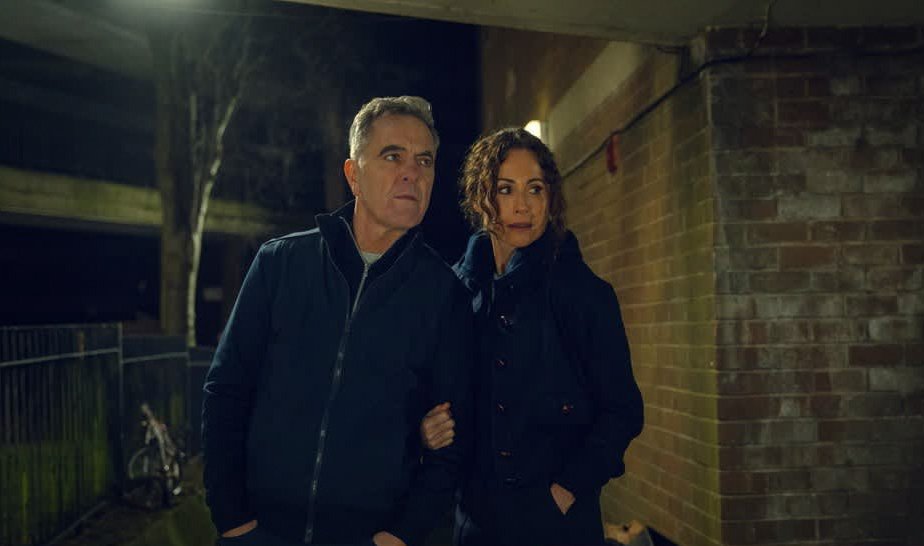
Run Away on Netflix tells the emotionally charged story of Simon Greene, a successful wealth manager whose seemingly perfect life unravels when his eldest daughter, Paige, runs away from home. Six months after her disappearance, Simon finally locates her in a city park—homeless, addicted to drugs, and vulnerable. When he attempts to rescue her, a shocking act of violence triggers a domino effect of consequences, pulling Simon into a dangerous underworld of murder, deception, and family secrets.
The series explores profound themes of parental anxiety, addiction, family dysfunction, and the moral choices parents make to protect their children. Alongside the main narrative, viewers encounter a mysterious murder investigation and a pair of professional assassins with their own lethal agenda, creating layers of suspense that intensify with each episode. The show’s setting in Manchester and the North West of England grounds the story in realistic locations, making the unfolding drama feel disturbingly authentic to modern audiences.
Is Run Away on Netflix Based on a True Story?
The straightforward answer is no—Run Away is not based on a true story. Rather, it is a fictional narrative adapted from Harlan Coben’s 2019 novel of the same name. The series, however, should be understood as inspired by real-life experiences and social issues rather than derived from specific real events. This distinction is crucial: while the plot and characters are entirely fictional creations, the emotional core and thematic elements draw heavily from genuine human experiences, making it feel remarkably authentic.
The Real-Life Inspiration Behind Run Away
While Run Away on Netflix is a work of fiction, Harlan Coben has been refreshingly transparent about the genuine inspiration behind the story. In interviews with the TODAY show and other outlets, Coben revealed that the spark for the novel came from a deeply personal parental experience—discovering drug paraphernalia in his teenage daughter Charlotte’s bedroom during her adolescent years.
“When my daughter Charlotte was young, I found some cannabis paraphernalia in her room, and my mind spiraled and went out of control,” Coben confessed. Though Charlotte insisted the items belonged to a friend, the incident triggered a cascade of anxious thoughts in the author’s mind, prompting him to explore the fictional possibilities of such a scenario. This parental fear—the “what if” moment that every parent dreads—became the psychological foundation for Simon Greene’s character and his frantic search for Paige.
Coben further explained that the actual story concept crystallized during a contemplative moment at Strawberry Fields in Central Park, New York. While observing a street musician performing a John Lennon song, Coben imagined a haunting scenario: “What if that were my daughter? What if she were strung out and I hadn’t seen her in six months, and I finally found her?” This visual inspiration, combined with his parental anxieties, set the narrative framework for Run Away.
Beyond this specific incident, Coben wove three distinct interests into the story: the impact of childhood drug addiction on families, the psychological mechanisms of cults and their recruitment tactics, and the modern role of DNA genealogy websites in uncovering hidden family connections. Remarkably, Charlotte, the daughter who inadvertently inspired the series, now serves as an associate producer on the Netflix adaptation, having also contributed to writing two episodes.
What Parts of Run Away Feel Realistic?
Several aspects of Run Away on Netflix resonate with authentic human experiences, making the fiction feel disturbingly plausible. The emotional portrayal of parental desperation is grounded in genuine psychology—Simon’s willingness to cross moral and legal boundaries to save his daughter reflects real parental instincts that psychologists recognize. The depiction of addiction and its ripple effects on family dynamics draws from sociological realities, with dialogue and situations reflecting how addiction genuinely fractures relationships and trust within families.
The series also addresses contemporary social issues with remarkable accuracy. The viral video of Simon’s confrontation with Aaron, which spreads across social media and influences the police investigation, mirrors real-world scenarios where digital culture shapes public perception and judicial outcomes. Additionally, the portrayal of rehabilitation centers, addiction support systems, and the challenges of recovery reflects genuine frameworks that exist in modern healthcare and social services.
Actor James Nesbitt acknowledged this authenticity in interviews, explaining that his real experience as a father allowed him to emotionally access Simon’s character authentically. Similarly, Minnie Driver, who plays Simon’s wife Ingrid, drew from personal experiences—having accompanied friends to Alcoholics Anonymous meetings—to bring nuanced empathy to her character’s role in the family crisis.
What Parts Are Pure Fiction?
While the emotional core of Run Away draws from genuine experiences, significant portions of the narrative are entirely fictional creations designed for dramatic impact. The central mystery—a series of seemingly unlinked murders connected to a secretive cult called “Beacon of the Shining Truth”—is pure invention. The psychopathic hired assassins Ash and Dee Dee, and their assigned mission to eliminate cult members, exist solely within Coben’s imaginative framework.
The revelation that Aaron Corval is not merely Paige’s abusive boyfriend but also her secret half-brother, born from her mother’s unknowing relationship with the cult leader, represents the kind of shocking plot twist that marks Coben’s storytelling signature. Similarly, the ultimate revelation that Ingrid murdered Aaron—not out of revenge but maternal protection—adds a layer of moral complexity that, while emotionally resonant, is entirely fictional.
The intricate conspiracy involving DNA genealogy websites as a plot device, the cult’s organizational structure, and the interconnected web of secrets that unravel across eight episodes are all products of Coben’s imagination, crafted to sustain narrative tension and deliver surprise revelations.
Did the Creators Say Anything About a True Story?
Harlan Coben has consistently and clearly stated that Run Away is not based on a true story, though he acknowledges its roots in real-life emotional terrain. In his interview with Radio Times and subsequent appearances, Coben emphasized that he uses fiction as a therapeutic outlet, channeling his parental anxieties and observations into creative narratives.
“I don’t fret about my kids at all; I share my concerns with you! You all act as my therapists. I channel my fears into my work,” Coben explained, revealing his approach to transforming personal experiences into universal fictional stories.
Head writer and executive producer Danny Brocklehurst, along with Coben, has discussed their creative philosophy: “We relish surprises,” Coben told Netflix’s Tudum platform, indicating that their primary objective was crafting an intricate, twist-laden thriller rather than documenting historical events.
Why Viewers Think Run Away Is Based on Real Events
The believability of Run Away on Netflix stems from its psychological authenticity and thematic alignment with contemporary social realities. Audiences recognize the genuine fear of parental loss and the desperate measures parents might consider to save addicted children. The depiction of addiction’s insidious nature—how it silently disrupts seemingly perfect families—resonates with viewers’ own experiences or observations within their communities.
The realistic portrayal of investigations, police procedures, and the role of viral social media in shaping legal outcomes creates an illusion of documentary-style authenticity. Additionally, Coben’s reputation for creating psychologically complex thrillers with basis in human behavior (though not necessarily specific true events) contributes to viewers’ perception of realism.
Social media discussions and fan theories frequently compare the show to real-world abduction cases and missing persons investigations, further reinforcing the perception that Run Away draws from actual crime stories. This confusion between inspired-by-real-themes and based-on-true-events represents a common viewer misunderstanding when engaging with sophisticated fictional narratives.
Similar Movies or Shows Inspired by Real Events
Run Away joins a growing genre of Netflix thrillers that balance fictional narratives with realistic social commentary. Coben’s previous Netflix adaptations—including Fool Me Once (2024), Missing You (2024), and The Stranger (2020)—similarly feature ordinary people confronting extraordinary circumstances rooted in recognizable human conflicts.
Other Netflix thrillers like Unbelievable (2020), while based on a true story, share thematic DNA with Run Away, exploring how institutional failures, emotional trauma, and psychological manipulation intersect within family and investigative frameworks. The distinction between Run Away and truly crime-based series like Unbelievable is important: Run Away is entirely fictional, whereas others draw directly from documented events.
Final Verdict: Fact or Fiction?
Run Away on Netflix is 100% fiction, though expertly crafted fiction rooted in genuine human experiences and authentic social issues. The series is not based on a specific true story, historical event, or documented crime. Rather, it represents Coben’s creative synthesis of personal parental fears, observations about addiction’s societal impact, and psychological fascinations with cults and hidden family secrets.
The story’s power derives from its emotional authenticity and thematic relevance to modern viewers, not from its connection to actual events. Understanding this distinction allows audiences to appreciate Run Away as a sophisticated thriller that uses realistic elements to explore universal human fears—particularly the terror parents face when their children disappear or struggle with addiction. For Indian audiences and global viewers, Run Away stands as a compelling example of fictional storytelling elevated through psychological depth, social relevance, and Coben’s signature plot twists.
Read Also : Stranger Things Season 6: Latest Update, Story Prediction, and What Fans Need to Know
FAQ
Is Run Away a true story?
No, Run Away is a fictional thriller adapted from Harlan Coben’s 2019 novel. While inspired by real-life parental experiences and social issues, it is not based on any specific true story or documented events.
Is Run Away inspired by real-life cases?
The narrative itself is fictional, but it draws psychological inspiration from Coben’s personal experience discovering drug paraphernalia in his daughter’s room as a teenager. The themes of addiction, family crisis, and parental desperation reflect genuine social realities.
Is Run Away suitable for sensitive viewers?
The series contains mature content including drug use, violence, and discussions of addiction. Parents should review content warnings before allowing younger viewers to watch.
Where can I watch Run Away?
Run Away is available exclusively on Netflix, with all eight episodes available for streaming since January 1, 2026.

Asif Ali is an entertainment content creator and movie enthusiast at Movie Trend. I covers the latest movie news, OTT updates, and trending entertainment stories with a focus on accuracy, originality, and reader value.