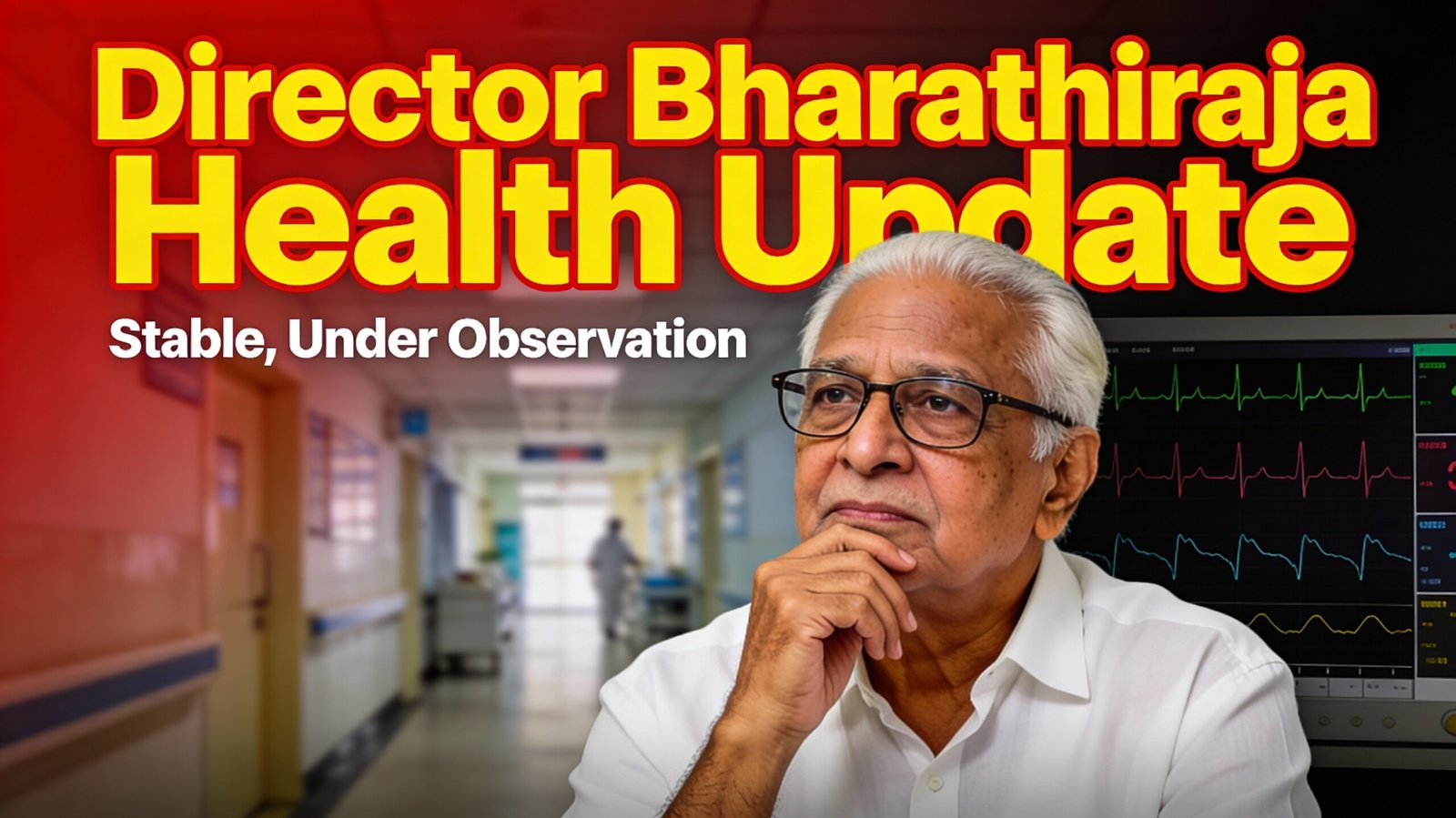
SUMMARY: Veteran Tamil filmmaker and cinematic pioneer Director Bharathiraja, aged 84, was admitted to MGM Healthcare in Chennai on December 27, 2025, after experiencing severe breathing difficulties. Hospital officials confirmed his condition is stable with normal vital parameters, and he is responding well to intensive care treatment. While death rumours circulated online, the medical team has assured his recovery is progressing satisfactorily. The health scare comes during an emotionally challenging period for the filmmaker, nearly a year after losing his son, actor-director Manoj Bharathiraja.
Director Bharathiraja’s Sudden Health Scare: What Happened?
Director Bharathiraja, the legendary Tamil filmmaker and pioneer of rural cinema, faced a serious health emergency on December 27, 2025, when he was rushed to MGM Healthcare in Aminjikarai, Chennai, after complaining of severe breathlessness. The 84-year-old veteran director, who had been residing in Malaysia with his daughter for medical treatment over the past few months, suddenly fell ill upon returning to his hometown and required immediate hospitalisation. The sudden admission sparked widespread concern across the Tamil film industry and among his devoted fan base, with several unsubstantiated rumours of his death circulating rapidly on social media platforms, forcing the hospital to issue an official clarification within days of his admission.
Bharathiraja had been dealing with respiratory complications for several months before the acute episode that led to his hospitalisation. According to reports, the filmmaker experienced significant wheezing and other respiratory difficulties that prompted his family to seek emergency medical intervention. The timing of this health crisis proved particularly distressing for those close to him, as he was still recovering emotionally and psychologically from a devastating personal loss that had occurred just nine months earlier.
Official Medical Bulletin: Current Health Condition and Recovery Progress
MGM Healthcare released an official medical bulletin on December 28, 2025, providing detailed information about Bharathiraja’s clinical status and prognosis. The statement read: “Mr Bharathiraja, renowned movie director, is presently admitted at MGM HEALTHCARE, Aminjikkarai, following complaints of breathlessness. He is receiving appropriate medical care in the intensive care unit. His clinical condition is stable, and he continues to be under close monitoring by our team of medical experts. With appropriate support, his vital parameters remain within normal limits. He is responding satisfactorily to the ongoing treatment.”
Medical professionals at the facility confirmed that the filmmaker’s vital signs—including blood pressure, oxygen saturation, and heart rate—all remain within normal physiological ranges, indicating that his body is responding positively to therapeutic interventions. The hospital team emphasised that Bharathiraja is receiving comprehensive care in the intensive care unit, with continuous monitoring by experienced specialists. The medical bulletin further stated that the veteran director is cooperating well with doctors and responding satisfactorily to the treatment protocols being administered, providing reassurance to millions of fans concerned about his wellbeing. While the hospital has not disclosed the specific nature of the respiratory condition causing his breathlessness, doctors have indicated that his prognosis remains encouraging with appropriate continued medical support.
Who Is Director Bharathiraja? Life, Background, and Early Film Career
Director Bharathiraja, born Chinnasamy in Alli Nagaram near Theni in the southern Indian state of Tamil Nadu on July 17, 1941, stands as one of the most influential and transformative figures in the entire history of Tamil cinema. Beginning his career as an assistant to renowned filmmaker Puttanna Kanagal and later serving under several accomplished directors, Bharathiraja gradually honed his storytelling craft and directorial vision. His early exposure to various filmmaking styles and technical approaches equipped him with the skills necessary to revolutionize Tamil cinema and introduce groundbreaking narrative techniques that would inspire generations of filmmakers to come.
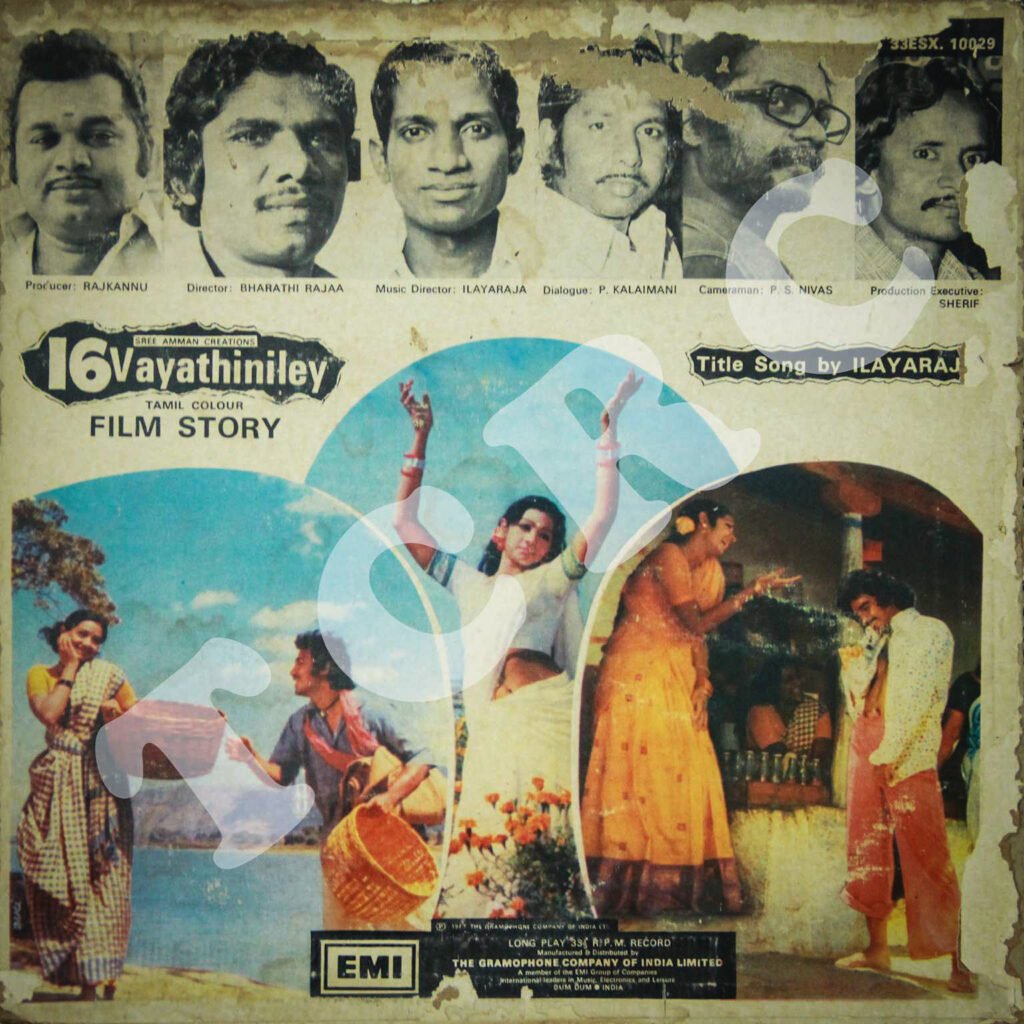
In 1977, at the age of 36, Bharathiraja made his directorial debut with the landmark film 16 Vayathinile, a romantic drama that fundamentally altered the trajectory of Tamil cinema and established new benchmarks for authentic, realistic storytelling. Featuring newcomer Sridevi, alongside superstar Kamal Haasan and a young Rajinikanth in a supporting role, this cinematic masterpiece broke established conventions by being shot entirely on outdoor locations—a revolutionary approach at a time when Tamil films were predominantly shot within studio confines. The film’s naturalistic costumes, authentic dialogue reflecting village vernacular, and genuine portrayal of village characters defied industry expectations and proved to be a massive commercial and critical success, establishing Bharathiraja’s reputation as a visionary filmmaker willing to challenge artistic conventions. The film’s triumph on both artistic and commercial fronts led to the emergence of Sridevi, Kamal Haasan, and Rajinikanth as major movie stars in Tamil cinema, transforming their careers forever.
Bharathiraja’s Legendary Film Career and Contribution to Tamil Cinema
Following the phenomenal success of his debut, Bharathiraja continued to produce groundbreaking works that cemented his position as a master storyteller and cinematic pioneer. His 1978 film Kizhakke Pogum Rail further established his reputation for authentic rural storytelling, though it inadvertently generated criticism suggesting he catered exclusively to village audiences. Rather than being constrained by such observations, Bharathiraja demonstrated remarkable artistic versatility by creating Sigappu Rojakkal (1978), a psychological thriller about an urban psychopath that proved his ability to transcend genre boundaries and work effectively in diverse storytelling traditions.
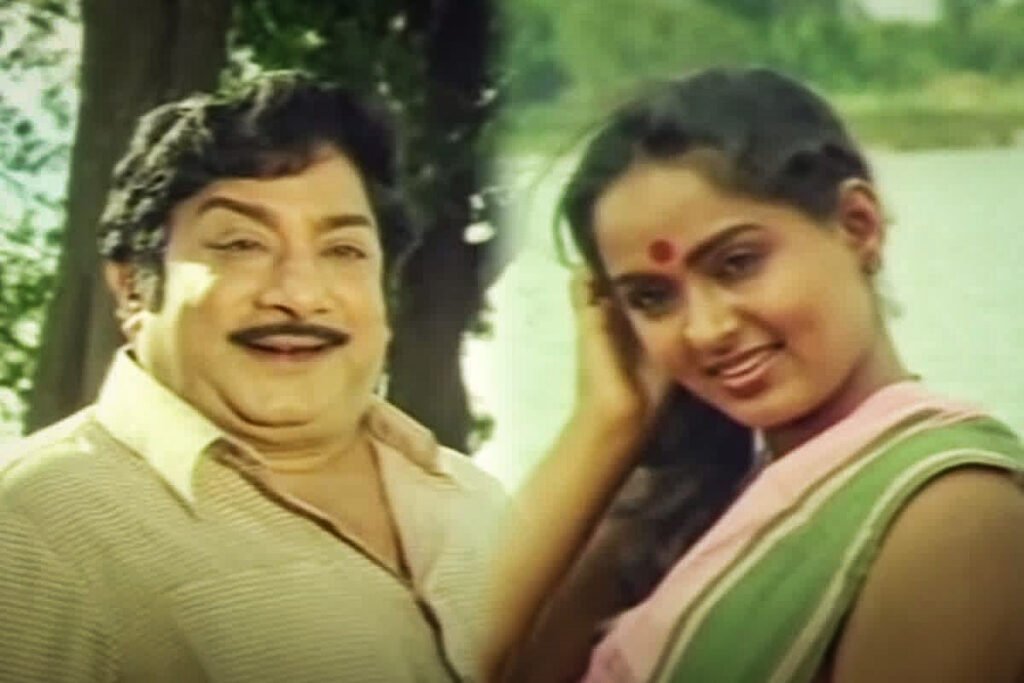
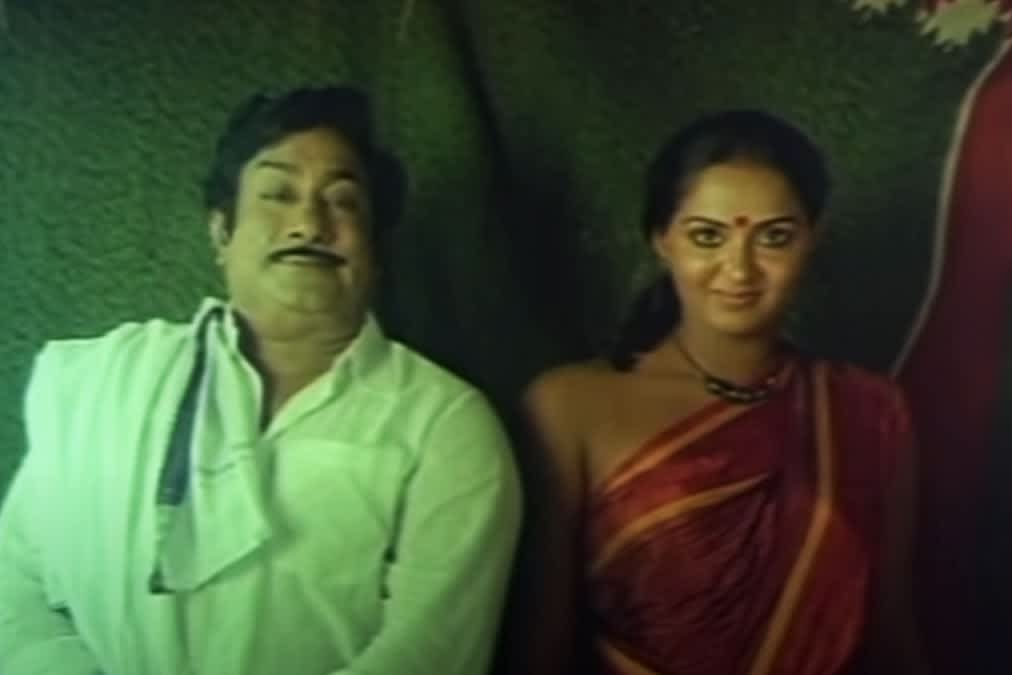
Throughout the 1980s, Bharathiraja established himself as an unparalleled master of rural love stories with films such as Alaigal Oivathillai (1981), Mann Vasanai (1983), and the acclaimed Mudhal Mariyathai (1985), which showcased his distinctive ability to blend poetic sensibility with social consciousness. Mudhal Mariyathai, featuring the legendary Sivaji Ganesan in a career-defining role as a middle-aged village headman who falls in love with a young, economically disadvantaged woman named Radha, exemplified Bharathiraja’s talent for exploring human connections across social, economic, and age-related boundaries. The film garnered critical acclaim and national recognition, earning Bharathiraja the National Film Award for Best Feature Film in Tamil in 1986, underscoring his contribution to meaningful cinema.
Read Also: Bigg Boss Tamil Season 9 Vote Update: Latest Voting Trends, Who Is Safe & Who Is in Danger Zone
Beyond romantic narratives, Bharathiraja demonstrated his willingness to engage with socially significant themes through films like Vedham Pudhithu (1988), which forthrightly addressed caste discrimination and class disparities prevalent in Tamil Nadu society. This film earned him the National Film Award for Best Film on Other Social Issues, recognition of his commitment to using cinema as a vehicle for social commentary and consciousness-raising. Throughout his career spanning several decades, Bharathiraja accumulated an impressive array of accolades, including six National Film Awards, four Filmfare Awards South, six Tamil Nadu State Film Awards, and a Nandi Award—testifying to his consistent excellence and enduring impact on Indian cinema. In 2004, the Government of India honoured his extraordinary contributions to the film industry by presenting him with the Padma Shri award, India’s fourth-highest civilian honour, cementing his status as a national treasure in the realm of cinema and culture.
Impact and Legacy: How Bharathiraja Transformed Tamil Cinema
Director Bharathiraja’s most profound and lasting contribution to Tamil cinema lies in his pioneering role in establishing village cinema as a legitimate and commercially viable genre during an era when Tamil films were dominated by urban narratives and studio-bound production values. At a time when the Tamil film industry was predominantly confined to studio sets, Bharathiraja made the bold artistic decision to take cameras outdoors and authentically capture village landscapes, rural social dynamics, and the lived experiences of ordinary people. This revolutionary approach fundamentally altered how Tamil cinema represented rural life and rural characters, replacing stereotypical portrayals with nuanced, sympathetic, and authentic representations that resonated deeply with diverse audiences across social strata.
His influence extended far beyond narrative content—Bharathiraja changed conventions regarding character appearance, costume design, and casting aesthetics that had previously dominated Tamil cinema. He deliberately avoided the use of excessive cosmetics on his male leads and rejected the industry’s obsession with fair-skinned heroines, instead casting dusky-complexioned women and presenting characters with authentic village appearances. These deliberate artistic choices signalled to audiences and aspiring filmmakers that rural stories, rural characters, and rural aesthetics possessed inherent dignity and commercial viability—a paradigm shift that encouraged subsequent generations of Tamil filmmakers to explore diverse narratives beyond the confines of urban, upper-class settings.] His establishment of the Bharathi Raja International Institute of Cinema (BRIIC) further demonstrated his commitment to nurturing emerging talent and sharing his directorial philosophy with the next generation of filmmakers.
Film Industry and Fans Rally Behind Director Bharathiraja
Since news of his hospitalization became public, the Tamil film industry and devoted fan communities have expressed overwhelming concern and extended heartfelt support to the veteran filmmaker and his family. Actors, directors, producers, and industry colleagues have shared messages of solidarity on social media platforms, with many highlighting Bharathiraja’s profound influence on their own career trajectories and artistic sensibilities. Fans have created trending hashtags and share personal anecdotes about how his films changed their perspectives on cinema, rural representation, and the complexities of human relationships. The widespread outpouring of affection demonstrates the deep emotional connection that generations of Tamil cinema enthusiasts maintain with the legendary filmmaker and his body of work.
In a particularly poignant demonstration of support, lyricist and poet Vairamuthu personally visited Bharathiraja at the hospital and addressed the press, underscoring the filmmaker’s significance within intellectual and artistic circles beyond cinema. The visit itself became a symbol of the broader film community’s solidarity during this challenging period. Messages of hope and prayers for his speedy recovery continue to circulate across social media, with fans emphasizing his invaluable contributions to Tamil cinema and expressing eagerness for his complete recovery.
Health Context: Understanding Respiratory Issues in Senior Citizens
Breathing difficulties and respiratory complications represent increasingly common health concerns affecting elderly individuals, particularly those aged 80 and above who may have accumulated lifetime exposures to environmental factors and developed underlying chronic conditions. In senior citizens, shortness of breath can stem from diverse medical causes ranging from relatively manageable conditions like asthma and anxiety to more serious illnesses including chronic obstructive pulmonary disease (COPD), heart failure, pneumonia, and pulmonary hypertension. Age-related physiological changes significantly increase susceptibility to respiratory problems, as the muscles controlling respiration naturally weaken over time, air sacs lose elasticity, and overall lung function declines—changes that occur naturally in all individuals but manifest differently depending on individual health histories and lifestyle factors.
Common causes of breathing difficulties in elderly populations include chronic medical conditions like COPD and heart failure, respiratory infections such as pneumonia and influenza, age-related changes in lung elasticity and respiratory muscle strength, environmental factors including air pollution and allergens, and lifestyle-related issues including smoking history, reduced physical activity (deconditioning), and excess body weight.** Early recognition and medical intervention prove critical when senior citizens experience acute respiratory distress, as delayed treatment can lead to serious complications. Healthcare professionals emphasise the importance of maintaining regular medical check-ups, adhering to prescribed medications, staying adequately hydrated, engaging in light physical activity with physician approval, and maintaining a healthy indoor environment free from respiratory irritants. For individuals like Bharathiraja, who are managing multiple health factors and emotional stress, comprehensive medical care and family support become essential components of recovery and ongoing health maintenance.
Recovery Outlook and Expected Timeline for Director Bharathiraja
Based on the hospital’s encouraging medical bulletin and the filmmaker’s responsive reaction to treatment, medical professionals have indicated a cautiously optimistic prognosis regarding his recovery prospects. Hospital officials stated they would provide further updates as his condition evolves and treatment progresses, maintaining a commitment to transparent communication with the family and public. While specific timelines for discharge have not been publicly disclosed, the stable vital signs and positive treatment response suggest that Bharathiraja may be expected to continue improving under continued intensive medical supervision.
The filmmaker’s recovery will likely depend on several factors, including the successful management of the underlying respiratory condition, his psychological resilience given recent emotional challenges, family support systems, and his compliance with medical protocols. Bharathiraja’s family has requested privacy and respect for the filmmaker during this critical recovery period, emphasising that the veteran director requires focused attention on healing without external disruptions. As further medical updates emerge, the broader film community and millions of devoted fans will continue to monitor his progress with deep concern and hope for his complete restoration to health.
Conclusion: A Cinematic Legend’s Path to Recovery
Director Bharathiraja’s sudden health crisis has reminded the Tamil film industry and international cinema enthusiasts of the vulnerability and fragility that affects all individuals, regardless of their professional achievements or cultural prominence. The outpouring of support from industry colleagues, fans, and well-wishers reflects the profound and enduring impact his films have exerted on Tamil cinema and on audiences across generations. While this health scare arrives during an exceptionally difficult emotional period following his son’s death, Bharathiraja’s stable medical condition and positive treatment response provide grounds for cautious optimism regarding his recovery.
As he recuperates under professional medical care, it remains crucial to remember that Bharathiraja’s artistic legacy—encompassing six National Film Awards, groundbreaking rural narratives, and the fundamental transformation of Tamil cinema’s representational politics—represents an irreplaceable contribution to Indian cinema that transcends any single health episode. His pioneering work establishing village cinema as both artistically significant and commercially viable continues inspiring filmmakers worldwide. The entire Tamil cinema community and millions of devoted admirers await positive updates regarding his continued recovery, united in their admiration for a filmmaker whose artistic vision fundamentally reshaped how cinema portrays rural India, human relationships, and social consciousness. May Director Bharathiraja’s recuperation be swift and complete, allowing this legendary artist to continue witnessing the ongoing influence of his transformative cinematic contribution

Asif Ali is an entertainment content creator and movie enthusiast at Movie Trend. I covers the latest movie news, OTT updates, and trending entertainment stories with a focus on accuracy, originality, and reader value.