A New Era for White Lotus Season 4
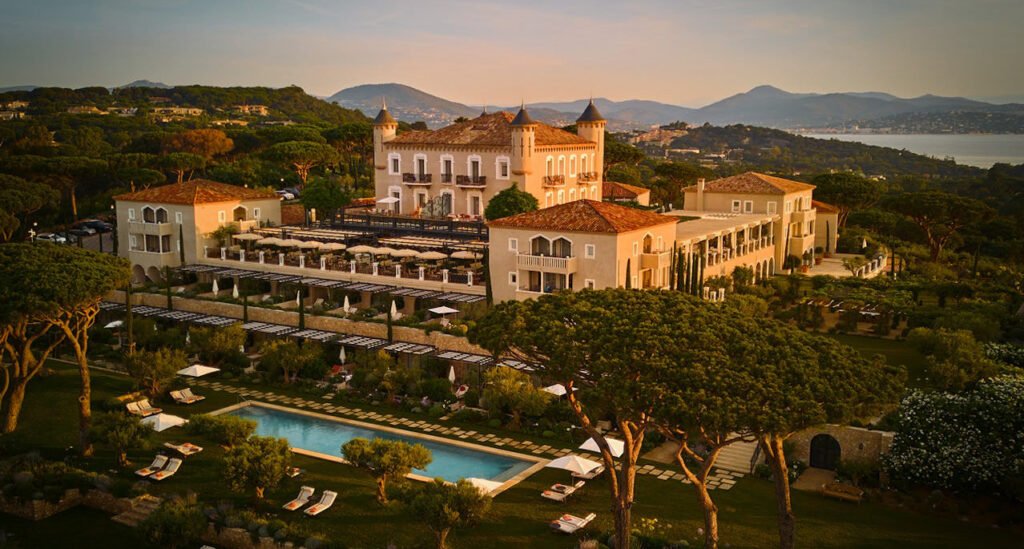
White Lotus Season 4 has officially announced its most ambitious location choice yet for Season 4. HBO’s critically acclaimed anthology series, which has captivated global audiences with its sharp social satire and stunning backdrops, is heading to the French Riviera. Specifically, the production will film at the Château de La Messardière, a 19th-century palace-turned-luxury hotel nestled in the hills of Saint-Tropez.
Since its premiere in 2021, The White Lotus has become a cultural phenomenon, earning multiple Emmy awards and creating what industry experts call “The White Lotus effect”—a surge in tourism to each season’s filming location. From Hawaii’s tropical paradise to Sicily’s historic charm and Thailand’s exotic beauty, the series has consistently delivered breathtaking settings that serve as more than mere backdrops. They become integral characters in the unfolding drama.
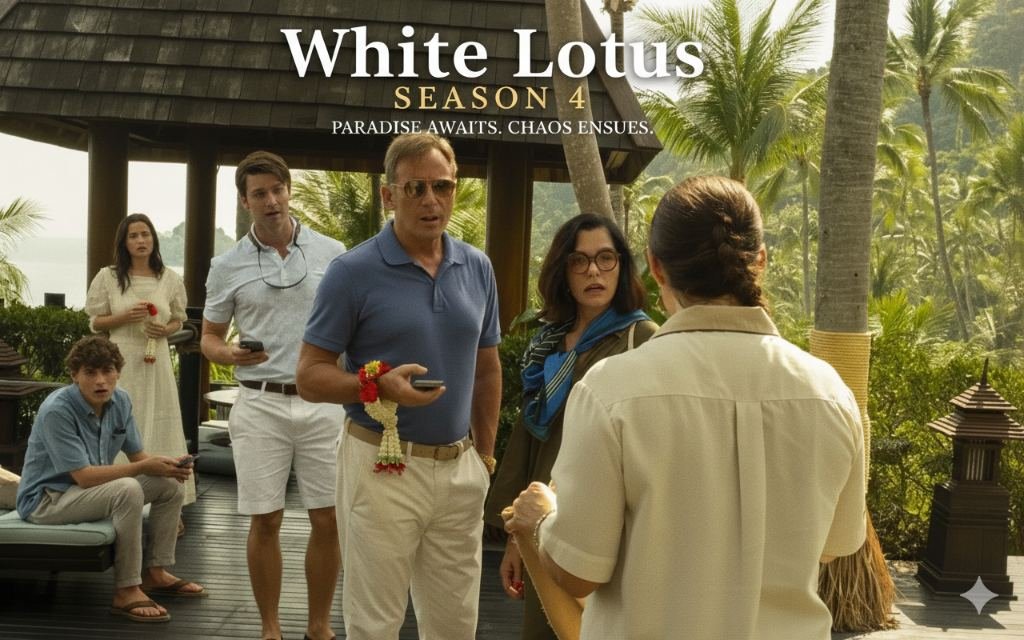
Season 4’s location choice has generated significant buzz among fans and critics alike. According to reports from Variety, this marks the first time the series will depart from its partnership with Four Seasons hotels, instead choosing the Airelles Collection property. The decision to film in a historic castle rather than a modern beach resort signals a deliberate shift in the show’s visual and thematic direction, promising viewers something distinctly different from previous seasons.
For Indian audiences following the series through streaming platforms, this new season offers a glimpse into European luxury and old-world elegance, presenting a fascinating contrast to the tropical and Mediterranean settings of earlier instalments. The castle setting represents creator Mike White’s vision to move away from what he described as the “crashing waves against rocks vernacular” and explore new dramatic possibilities.
The White Lotus Tradition of Iconic Locations
How Location Shapes the White Lotus Narrative
The White Lotus has mastered the art of using location as a storytelling device. Each season’s setting is meticulously chosen to reflect and amplify the themes Mike White wishes to explore. The locations are not simply pretty places where drama unfolds; they are carefully selected environments that create specific atmospheres, influence character behaviour, and serve as visual metaphors for the social commentary at the heart of each season.
The series employs visual storytelling that makes full use of architectural elements, natural landscapes, and cultural contexts. Wide shots of pristine beaches, intimate hotel corridors, and luxurious amenities all contribute to establishing the world of extreme privilege the show examines. The isolation these luxury resorts provide becomes crucial to the narrative structure, trapping guests and staff in a pressure-cooker environment where tensions inevitably boil over.
Power dynamics and social hierarchies become visible through spatial arrangements. The distinction between guest and staff areas, premium suites versus standard rooms, and private beaches versus public spaces all reinforce the themes of privilege and inequality that run throughout the series. Each location choice allows White to explore how wealth and status manifest differently across cultures and geographical contexts.
From Hawaii to Sicily to Saint-Tropez
The White Lotus Season 1 transported viewers to the Four Seasons Resort Maui at Wailea in Hawaii. The tropical paradise setting highlighted themes of colonialism, cultural appropriation, and the commodification of indigenous culture. The lush landscapes and pristine beaches created an ironic contrast with the emotional and moral decay of the privileged guests.
Season 2 moved to the San Domenico Palace in Taormina, Sicily—a former 14th-century Dominican convent perched on a cliff overlooking the Ionian Sea. This historic European setting allowed the show to explore themes of desire, betrayal, and the corruption that often accompanies old money. The ancient architecture and classical Italian culture provided a backdrop for examining generational wealth and its consequences.
Season 3 headed to Thailand, filming primarily at the Four Seasons Resort Koh Samui. The season delved into themes of spirituality versus materialism, Eastern philosophy meeting Western excess, and the search for transformation in an increasingly commodified wellness industry. The tropical Asian setting offered yet another cultural lens through which to examine privilege and power.
Now, Season 4’s move to a 19th-century French castle represents a natural evolution in the series’ exploration of luxury, legacy, and the spaces where the ultra-wealthy gather.
Why Saint-Tropez Fits White Lotus Season 4 Perfectly
Saint-Tropez as a Symbol of Luxury and Excess
Saint-Tropez has been synonymous with glamour and exclusivity since the 1950s when it transformed from a quiet fishing village into a playground for the international elite. Located on the French Riviera, the town has hosted generations of celebrities, aristocrats, and wealthy jet-setters, making it the perfect setting for The White Lotus’s examination of privilege.
The town embodies a specific type of European luxury that differs from the tropical resort settings of previous seasons. Saint-Tropez represents old-world sophistication mixed with modern excess, where historic estates overlook marinas filled with mega-yachts. The area’s high-end shopping districts, exclusive beach clubs, and Michelin-starred restaurants create an ecosystem of conspicuous consumption that aligns perfectly with the show’s satirical lens.

The contrast between old money and new money is particularly visible in Saint-Tropez. Historic families with generational wealth mingle (and clash) with tech entrepreneurs and entertainment moguls. This dynamic offers rich material for the character-driven drama The White Lotus is known for. The castle setting amplifies this theme, as aristocratic estates represent the ultimate symbol of inherited privilege and legacy wealth.
The Dark Side Beneath the Glamour
Despite its glamorous reputation, Saint-Tropez has always had an undercurrent of secrecy and hidden tensions. The town’s exclusive nature creates boundaries—both visible and invisible—between those who belong and those who do not. Gated properties, private beaches, and members-only establishments reinforce hierarchies of wealth and status.
This environment of privacy and exclusivity allows for the kind of hidden behaviours and dark secrets that have been central to every White Lotus season. The castle setting, with its enclosed spaces and limited access, creates an even more intense pressure-cooker atmosphere where secrets cannot stay buried for long.
Saint-Tropez’s seasonal nature—where the wealthy descend for summer months before departing—also mirrors the temporary nature of The White Lotus resort stays. This transient quality allows characters to escape their normal lives and social constraints, often with dramatic consequences. The satirical tone of the series will undoubtedly find fertile ground in examining the performative nature of Riviera luxury culture.
The 19th-Century Castle — A Character of Its Own
Historical Background of the Castle
The Château de La Messardière has a romantic and storied history that makes it an ideal setting for dramatic television. According to the property’s official records, the castle was completed in 1904 as a wedding gift from Gabriel Dupuy d’Angeac, a wealthy cognac merchant, to his daughter Louise Dupuy D’Angeac and her husband, cavalry officer Henry Brisson de La Messardière.
The couple lived at the château with their seven children, enjoying a life of artistic pursuits and outdoor activities on the sprawling estate. The architectural style blends Anglo-Moorish, Oriental, Mediterranean, Florentine, and Provençal influences, creating a visually distinctive building with turrets, domes, vaults, and columns that reflect the eclecticism popular in late 19th and early 20th-century grand estates.
Following Henry’s death, Louise struggled financially and eventually transformed the château into a hotel to accommodate prestigious guests. By the 1920s, during the Roaring Twenties, the Château de La Messardière had become a hotspot for Parisian aristocracy, hosting extravagant Gatsby-esque parties. The property changed hands multiple times over the decades, experiencing periods of both glory and abandonment before joining the Airelles Collection in 2019.
After extensive renovations, the château reopened in July 2021 with Palace status—a prestigious French classification reserved for the most exceptional hotels. Today, it features 86 rooms and suites spread across 32 acres of manicured grounds surrounded by parasol pines, cypress trees, and jasmine gardens, with sweeping views of the Bay of Saint-Tropez and Pampelonne beaches.
How the Castle Elevates the Storytelling
The enclosed nature of a castle setting offers unique storytelling opportunities compared to sprawling beach resorts. Castle architecture naturally creates distinct spaces—grand halls, intimate salons, hidden corridors, and private chambers—that can isolate characters and intensify interpersonal conflicts. The vertical nature of a multi-story historic building also creates interesting visual and narrative possibilities that differ from the horizontal layouts of typical resorts.
The symbolism of a castle resonates deeply with themes of power, legacy, and inherited privilege. Castles were built to project authority, protect wealth, and establish family dynasties. In the context of The White Lotus, a castle setting allows for exploration of generational wealth, aristocratic entitlement, and the question of who “belongs” in these rarefied spaces. The very architecture embodies hierarchy and exclusion.
Furthermore, historic buildings carry their own narratives. The château’s transformation from family home to glamorous hotel to abandoned property and back again mirrors themes of decline and reinvention that could parallel character arcs. The layers of history embedded in the walls provide atmospheric depth that modern constructions cannot match, creating opportunities for richer, more complex storytelling.
Read Also :
White Lotus Season 4 vs Previous Seasons: What Will Be Different This Time?
Visual Storytelling — Why a Castle Beats a Modern Resort
Cinematic Appeal of Old European Architecture
From a cinematography perspective, 19th-century European architecture offers aesthetic advantages that justify the departure from previous resort settings. The castle’s stone walls, ornate plasterwork, grand staircases, and period details create textured, visually interesting frames that enhance the cinematic quality of each shot. Natural light filtering through historic windows creates atmospheric effects that are difficult to replicate in modern buildings.
The variety of architectural spaces within a castle—from intimate sitting rooms to grand ballrooms, from stone courtyards to landscaped terraces—provides diverse visual backdrops for different scenes and emotional tones. Directors can use these varied settings to reflect character psychology and relationship dynamics in ways that more uniform resort spaces cannot achieve.
The contrast between exterior and interior spaces also becomes more pronounced. The imposing stone facade of the château creates a sense of permanence and weight, while interior spaces can range from airy and light-filled to dark and claustrophobic. This visual contrast can mirror the tension between public personas and private realities that The White Lotus consistently explores.
Creating an Atmosphere of Mystery and Unease
Historic castles naturally evoke feelings of mystery and unease in ways that modern resort hotels do not. The weight of history, the presence of previous occupants, and the architectural quirks of old buildings create an atmosphere that can shift from romantic to sinister. Long corridors, shadowy corners, and hidden spaces suggest secrets and create visual suspense.
The isolated hilltop location of Château de La Messardière, surrounded by forests rather than open beaches, creates a different type of isolation than previous seasons. Where beach resorts feel open and exposed, a castle on a hill feels enclosed and removed from the outside world. This geographic isolation intensifies the emotional pressure on characters and limits escape routes, both literally and metaphorically.
Sound also plays differently in historic spaces. Stone walls, high ceilings, and wood floors create acoustic properties that affect how dialogue and ambient noise register. Footsteps echo, voices carry in unexpected ways, and the building itself can seem to have a presence. These atmospheric qualities enhance the psychological intensity that has become a hallmark of the series.
Themes White Lotus Season 4 May Explore Through This Setting
Old Wealth vs. New Wealth
The castle setting provides the perfect backdrop for examining conflicts between old money and new money—a theme that has run through previous seasons but can be explored more explicitly in this European aristocratic environment. Old wealth, represented by those who might have connections to traditional European aristocracy or multi-generational fortunes, operates by different rules and social codes than newly acquired wealth from technology, entertainment, or finance.
The château itself embodies old money values: tradition, legacy, family name, and cultural capital. Characters representing new wealth may find themselves navigating unfamiliar social territory, revealing class tensions and cultural clashes. The question of who “deserves” access to these spaces and who can truly understand their significance becomes ripe for the show’s satirical examination.
Generational privilege—how wealth and status pass through families, creating advantages that compound over time—can be explored through both the setting and character dynamics. The White Lotus has consistently examined how privilege blinds people to their own advantages, and a castle setting provides the perfect metaphor for this self-perpetuating system.
Power, Control, and Inherited Influence
Aristocratic estates symbolise power structures that persist across generations. Unlike beach resorts that anyone with sufficient money can access, historic castles represent spaces originally designed to keep certain people in and others out. This makes the setting ideal for examining who holds power in contemporary society and how that power is maintained or challenged.
The physical structure of a castle—with its defensive features now repurposed as luxury amenities—can serve as a metaphor for how wealth protects itself. High walls, controlled access, and spatial hierarchies within the building all reinforce themes of exclusion and privilege. The show can explore how these physical manifestations of power shape behaviour and relationships.
Questions of legacy and inheritance also become central in a castle setting. Who gets to inherit not just wealth but also cultural capital, social connections, and access to exclusive spaces? How do these inherited advantages shape life outcomes? The White Lotus has always asked uncomfortable questions about privilege, and a historic French château provides rich material for this examination.
What the Saint-Tropez Castle Reveals About Season 4’s Tone
A Darker, More Psychological Season
The shift from bright, open beach settings to a more enclosed castle environment suggests Season 4 may take a darker, more psychologically intense direction. The previous seasons balanced moments of dark comedy with genuine tragedy, but the castle setting seems designed to emphasise claustrophobia, paranoia, and interpersonal tension in new ways.
Without the visual distraction of expansive ocean views and tropical landscapes, the focus may shift more intensely to character psychology and relationship dynamics. The interior spaces of a castle, with their ability to isolate characters in private rooms and corridors, create opportunities for more intimate, intense confrontations. The tone may be less about spectacle and more about psychological unraveling.
This tonal shift aligns with Mike White’s stated desire to evolve the series with each season. By moving away from the “resort vacation gone wrong” formula toward something that feels more like a Gothic thriller set in a luxury hotel, Season 4 can surprise viewers while maintaining the core elements that make the show successful.
European Elegance with a Sinister Edge
The combination of refined European elegance and underlying dysfunction creates a specific aesthetic and emotional tone. The castle’s beauty—its historic architecture, manicured gardens, and panoramic views—will be juxtaposed with human ugliness: greed, jealousy, cruelty, and moral compromise. This contrast between surface beauty and inner corruption has always been central to The White Lotus.
European aristocratic culture, with its emphasis on propriety, discretion, and maintaining appearances, provides new opportunities for the show’s exploration of how people perform class and status. The cultural differences between American guests and European staff and aristocracy can generate both comedy and tension, highlighting different approaches to wealth, privilege, and social hierarchy.
The Riviera setting also invites comparisons to classic films and literature set in this region—from F. Scott Fitzgerald’s Tender Is the Night to Alfred Hitchcock’s To Catch a Thief. The White Lotus can play with these cultural references while subverting expectations, creating something that feels both familiar and fresh.
Fan Reactions and Early Speculation
Why Fans Love the Castle Setting
Social media erupted with excitement when the Saint-Tropez castle location was confirmed. Fans have expressed enthusiasm about seeing The White Lotus tackle a European aristocratic setting, with many noting the potential for exploring old money culture in ways previous seasons only hinted at. The dramatic change from beach resort to historic castle has been praised as a bold creative choice that keeps the series feeling fresh.
Many viewers appreciate that each season feels distinctly different while maintaining core themes. The castle setting promises visual splendour that differs significantly from tropical beaches and infinity pools. Fan communities have been sharing images of the Château de La Messardière, analysing its architecture and speculating about how different spaces might be used in the narrative.
Indian audiences, in particular, have shown interest in the European setting, which offers a departure from the more commonly depicted American and Asian locations. The combination of historic architecture and contemporary drama appeals to viewers who appreciate both period aesthetics and modern storytelling.
Popular Theories About the Castle’s Role
Fan speculation about Season 4 has focused heavily on how the castle setting might influence the plot. Some theories suggest the property might be owned by an aristocratic French family hosting wealthy international guests, creating culture clash dynamics. Others speculate that the castle’s history—with its transformations from family home to hotel—might factor into the storyline.
Given that filming will coincide with the Cannes Film Festival in May, many fans theorise that the entertainment industry might feature prominently in Season 4. The combination of film industry egos, aristocratic pretensions, and luxury setting could create explosive character dynamics. There is speculation about whether guests might be attending the festival or if aspiring filmmakers might be staying at the château.
The enclosed nature of a castle has led to theories about locked-room mystery elements, with some fans suggesting Season 4 might lean more heavily into thriller territory. The multiple floors, private wings, and hidden spaces of a historic building create opportunities for secrets, surveillance, and dramatic revelations that differ from the more open resort layouts of previous seasons.
How This Location Sets White Lotus Season 4 Apart
Season 4’s castle setting represents the series’ most significant departure from its established formula. Previous seasons, despite their different locations, all centred around beach resort experiences with pools, ocean views, and tropical or Mediterranean climates. The castle, while still luxurious, offers a fundamentally different environment that will require the show to evolve its visual language and storytelling approaches.
This departure signals creative ambition and a willingness to take risks. Rather than simply finding another beautiful beach location and repeating a successful formula, Mike White and HBO are pushing the series into new territory. This creative evolution is essential for anthology series that want to remain vital beyond a few seasons.
The French Riviera setting also allows the show to engage with different cultural contexts and social dynamics than previous locations. European aristocratic culture, French hospitality traditions, and Riviera jet-set society all differ from Hawaiian, Sicilian, and Thai contexts explored previously. These cultural differences will inform character interactions and thematic explorations in fresh ways.
Could the Castle Become the Most Iconic White Lotus Location Yet?
Each White Lotus location has left its mark on popular culture and tourism. The Four Seasons Maui saw a 386% increase in holiday enquiries after Season 1. The San Domenico Palace in Taormina experienced a 300% increase in searches and months of sold-out bookings. Thailand braced for an influx of tourists following Season 3’s announcement. The Château de La Messardière is positioned to become the most iconic location yet.
The castle’s historic significance and architectural grandeur give it inherent advantages over modern resort hotels. It has a story independent of the show—a romantic history of wedding gifts, aristocratic parties, and dramatic transformations. This backstory adds layers of interest that contemporary buildings lack. The property has already achieved Palace status in France, marking it as exceptional even before The White Lotus brings international attention.
The combination of Saint-Tropez’s established reputation and the château’s unique character creates strong potential for long-term cultural impact. Unlike resorts that primarily serve as vacation destinations, the castle can become a reference point in discussions of European luxury, historic preservation, and the intersection of old and new wealth. Its role in The White Lotus Season 4 may cement its place in popular imagination alongside iconic television and film locations.
Conclusion — A Bold, Strategic Choice for White Lotus Season 4
The decision to film The White Lotus Season 4 at a 19th-century castle in Saint-Tropez represents more than just finding a new pretty location. It is a strategic creative choice that allows the series to evolve while maintaining its core identity. The château provides opportunities to explore themes of legacy, power, and privilege through a different cultural and architectural lens.
The castle is not merely a backdrop but a character in its own right—its history, architecture, and symbolism all contributing to the narrative possibilities. The enclosed, vertical nature of the space creates different dramatic opportunities than sprawling beach resorts. The European aristocratic context allows for new explorations of class conflict and cultural clash.
This bold choice demonstrates confidence in the series’ ability to reinvent itself with each season while staying true to what makes it compelling: sharp social satire, complex characters, and the examination of how privilege corrupts and divides. The castle setting promises a visually stunning, thematically rich season that will keep audiences engaged and discussing long after it airs.
For Indian audiences and global viewers alike, Season 4 offers a window into a specific world of European luxury and legacy wealth, explored through the insightful and often uncomfortable lens that has made The White Lotus one of the most discussed shows on television. The castle choice signals that the series remains ambitious, creative, and willing to take risks—qualities that will ensure its continued success.
FAQs About White Lotus Season 4’s Saint-Tropez Castle
Is the 19th-century castle a real location?
Yes, the Château de La Messardière is a real historic property located in Saint-Tropez on the French Riviera. The castle was completed in 1904 as a wedding gift from cognac merchant Gabriel Dupuy d’Angeac to his daughter Louise and her husband Henry Brisson de La Messardière. The property has functioned as a luxury hotel for decades and is currently part of the prestigious Airelles Collection of five-star hotels. After extensive renovations, it reopened in 2021 with Palace status—a French classification for exceptional hotels. The château sits on 32 acres of grounds and features 86 rooms and suites with rates ranging from $3,000 to $8,000 per night and higher.
Will the castle be open to visitors after filming?
The Château de La Messardière operates as a working hotel year-round (seasonally from late April to mid-October), so it will continue to accept guests after filming concludes. However, given the publicity from The White Lotus Season 4, booking availability may be extremely limited following the season’s release. Previous White Lotus filming locations have experienced dramatic increases in tourist interest and hotel bookings. The San Domenico Palace in Sicily saw a 300% increase in searches and months of sold-out rooms after Season 2 aired. Viewers interested in staying at the château should expect high demand and premium pricing, especially during peak summer season when the hotel is typically fully booked.
Is White Lotus Season 4 fully set in Saint-Tropez?
While the Château de La Messardière in Saint-Tropez serves as the primary filming location, Season 4 will not be confined to a single property. According to production reports, the season will unfold along the French Riviera with additional scenes filmed at a hotel in Paris. This multi-location approach is consistent with previous seasons, where Mike White combines different venues to create the fictional White Lotus resort. Sources have also suggested that the Cannes Film Festival could be incorporated into the storyline, given that filming will occur during the festival period in May. This expanded geographic scope allows the season to showcase different aspects of French luxury culture beyond the castle itself.
Does the castle replace the traditional White Lotus resort?
The castle represents a significant departure from The White Lotus formula but still functions as the season’s central luxury accommodation where guests and staff interact. Previous seasons were filmed at Four Seasons resort properties in Hawaii, Sicily, and Thailand, maintaining a consistent brand association. Season 4 breaks this pattern by choosing the Airelles Collection’s Château de La Messardière instead. This shift from beach resort to historic castle signals a creative evolution for the series, moving away from what creator Mike White called the “crashing waves against rocks vernacular.” The castle setting offers different architectural and atmospheric possibilities while maintaining the core concept of examining privilege and dysfunction in luxury hospitality settings.
When is White Lotus Season 4 expected to release?
An official release date for The White Lotus Season 4 has not been announced by HBO. However, based on production timelines and patterns from previous seasons, viewers can make educated estimates. Filming is scheduled to begin at the end of April 2026 and continue through October 2026. Given post-production requirements for editing, music, and visual effects, plus HBO’s typical release strategies, Season 4 would likely premiere sometime in 2027. Previous seasons have generally premiered 12-18 months after filming wrapped. HBO may choose to release Season 4 during its traditional prestige television windows—either early in the year (January-March) or during awards-qualifying periods (October-December). Indian audiences will likely be able to watch the season simultaneously with global release through streaming platforms.

Asif Ali is an entertainment content creator and movie enthusiast at Movie Trend. I covers the latest movie news, OTT updates, and trending entertainment stories with a focus on accuracy, originality, and reader value.