The New Heist Thriller Taking Streaming Platforms by Storm
Prime Video’s latest offering, “Steal Season 1,” has emerged as a compelling addition to the crime thriller genre, attracting viewers since its January 20, 2026 release. This six-episode series follows an ordinary workday at Lochmill Capital that transforms into a high-stakes nightmare when armed thieves orchestrate an audacious heist targeting £4 billion in pension funds. The show has generated significant audience interest, combining intense action with character-driven storytelling that sets it apart from conventional heist narratives.
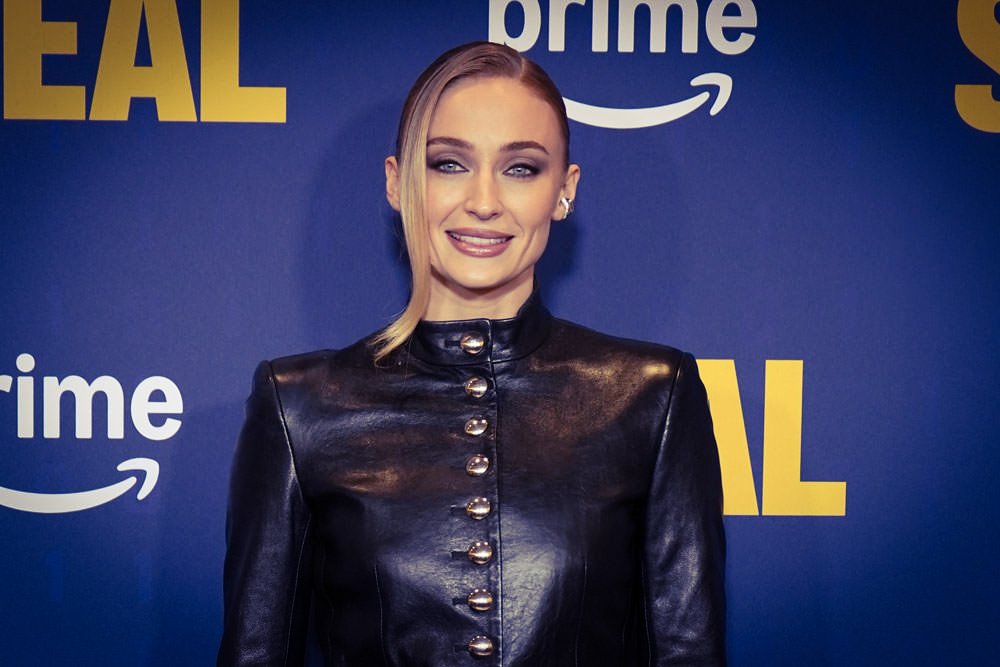
Plot Overview: Ordinary Office Workers in Extraordinary Circumstances
“Steal” introduces audiences to Zara and Luke, two office employees at a London pension fund investment company whose lives change dramatically when master thieves force their way into Lochmill Capital. The criminals demand that Zara and Luke execute their plan to transfer billions of pounds from customer pension accounts. What begins as a single devastating day spirals into a complex investigation led by Detective Chief Inspector Rhys, who races to uncover the thieves’ identities and motivations.
The series distinguishes itself from typical heist dramas by focusing on the psychological pressure faced by ordinary people caught in extraordinary circumstances. Rather than glorifying criminals, the narrative explores how financial systems impact ordinary citizens and examines moral complexities when individuals are forced to become unwilling accomplices.
Direction and Storytelling: Building Tension Through Structured Pacing
The show maintains a tight narrative structure across its six episodes, with each installment approximately 42 minutes long. The storytelling employs a measured approach to reveal information, gradually deepening viewers’ understanding of the characters’ backgrounds through strategic flashbacks. The pacing balances high-pressure action sequences with quieter moments that establish emotional stakes and character vulnerability.
The directing team successfully constructs suspense through careful scene construction rather than relying solely on spectacle. The opening episode effectively establishes the heist’s scope while introducing key characters, pulling viewers into the unfolding crisis. Subsequent episodes layer complexity, revealing information that challenges initial assumptions and introduces unexpected complications.
Performances and Characters: Sophie Turner’s Magnetic Lead Performance
Sophie Turner delivers a standout performance as Zara, the protagonist forced into an impossible situation. Her portrayal captures the psychological toll of being coerced into criminal activity while remaining sympathetic and relatable. Turner avoids portraying Zara as a superhero figure, instead presenting her as an ordinary person adapting to extraordinary pressure—a choice that grounds the narrative in reality.
Archie Madekwe provides strong support as Luke, Zara’s best friend and fellow hostage. The dynamic between these two characters forms the emotional core of the series, with their friendship tested by trauma and forced complicity. Jacob Fortune-Lloyd portrays Detective Rhys with appropriate tension, conveying determination and internal conflict as he pursues the investigation.
The supporting cast contributes meaningful dimensions to the narrative, with various characters revealing unexpected depths as the series progresses. The ensemble cast works cohesively to create a believable world where workplace relationships become complicated by criminal circumstances.
Visual Style and Cinematography: Stylish Production Values
“Steal” demonstrates professional cinematography that enhances the thriller’s tense atmosphere. The visual presentation employs colour grading and camera work that emphasizes the contrast between the sterile corporate environment and the chaos unleashed within it. The production design effectively captures the modern London financial district setting, grounding the narrative in recognizable reality.
The stylistic choices reinforce the show’s thematic concerns about corporate systems and personal morality. Wide shots of the financial offices create visual metaphors for institutional detachment, while closer camera work during confrontation scenes intensifies emotional engagement. The cinematography supports the narrative’s meditation on wealth, power, and individual conscience.
Music and Background Score: Tension Building Through Sound Design
The background score contributes significantly to the thriller’s effectiveness, with musical cues that escalate tension during critical moments. Sound design emphasizes silence and sudden disruption, mirroring the sudden violence that invades the ordinary office environment. The strategic use of music underscores emotional scenes while avoiding over-manipulation of audience response.
Key scenes benefit from thoughtful audio accompaniment that enhances rather than overwhelms the narrative. The score supports the psychological elements of the story, highlighting characters’ internal struggles and the mounting pressure they experience.
What Worked Well: Strengths of Season One
Strong Character Development: The series excels at portraying realistic responses to trauma and pressure. Viewers connect with Zara’s moral dilemma and emotional journey, creating genuine investment in her fate.
Unexpected Twists: The narrative incorporates surprising revelations about character motivations and unexpected alliances that challenge viewer assumptions and maintain engagement throughout the season.
Stylish Presentation: Professional production values create an engaging viewing experience that justifies the substantial time investment required for the complete season.
Thematic Depth: Beyond surface-level action, the series engages with meaningful questions about financial systems, personal responsibility, and the consequences of institutional greed.
Binge-Worthy Format: The six-episode structure with 42-minute episodes creates an ideal length for sustained viewing, keeping the narrative tight without excessive filler.
What Didn’t Work As Well: Areas for Improvement
Pacing Issues: Some critics noted that certain episodes become bogged down in financial exposition and procedural details that occasionally slow narrative momentum. The intricacies of pension fund mechanics, while occasionally necessary for plot clarity, sometimes overshadow character development.
Two-Dimensional Secondary Characters: While lead characters demonstrate complexity, some supporting figures lack comparable depth, functioning more as plot devices than fully realized individuals with compelling backstories.
Predictable Elements: Viewers familiar with the heist genre may anticipate certain plot developments and character betrayals before they occur, reducing the element of surprise in specific sequences.
Limited Daring: Some observers suggested the finale, while satisfying, lacks the willingness to explore darker implications of the narrative’s philosophical questions, choosing safer resolutions over more provocative conclusions.
The Shocking Finale: A Conclusion That Raises Questions
The season finale delivers emotional and narrative impact by revealing unexpected consequences of the theft and the characters’ involvement. Without revealing specific plot details, the conclusion subverts certain expectations while leaving viewers with complex feelings about who deserves sympathy and accountability.
The ending positions itself effectively for potential continuation, establishing emotional stakes and narrative questions that could drive future seasons. However, the finale also functions as a complete story arc, resolving primary conflicts while creating space for reflection about the series’ themes concerning morality and institutional responsibility.
The big reveal provides the kind of conclusion that prompts discussion and debate among viewers regarding the choices characters made and whether they acted ethically under impossible circumstances.
Singles Inferno Season 5 Cast Instagram Handles & Social Media Growth
Final Verdict: A Compelling Addition to Contemporary Thriller Television
Overall Rating: ⭐⭐⭐⭐☆ (4 out of 5 stars)
“Steal Season 1” represents a well-crafted thriller that combines stylish production, compelling performances, and meaningful thematic content. The series succeeds in creating tension and emotional engagement while exploring substantive questions about financial systems and personal morality.
Who Should Watch It: The series appeals to viewers who appreciate character-driven thrillers with realistic emotional stakes. Fans of heist narratives who value psychological complexity alongside action sequences will find much to appreciate. Those interested in stories exploring corporate systems and personal ethics will discover thoughtful commentary alongside entertainment value.
Is It Worth Binge-Watching? Absolutely. The six-episode format, professional production quality, and engagement with meaningful themes make “Steal” an excellent choice for dedicated viewing. The series maintains narrative momentum across its runtime while developing characters audiences genuinely care about. Whether watched over several days or in a single sitting, the season delivers satisfying entertainment with substance.
Frequently Asked Questions (FAQs)
Is Steal Season 1 worth watching? Yes, particularly if you enjoy contemporary crime thrillers with character depth and emotional stakes. The performances, direction, and thematic engagement justify the viewing time investment.
Does Steal have a Season 2? As of January 2026, no official announcement regarding Season 2 has been made. The first season conclusion provides narrative satisfaction while establishing potential directions for continuation.
Is the ending of Steal confusing? The finale provides clarity regarding primary plot questions while delivering emotional resonance. Some viewers may debate the ethical implications of character choices, but the core narrative concludes coherently.
Is Steal based on a true story? “Steal” is a fictional narrative created by its writing team. While it engages with realistic scenarios involving financial systems and institutional vulnerabilities, the specific story and characters are original creations rather than adaptations of documented events.
Where can I watch Steal Season 1? All six episodes of “Steal” are available exclusively on Amazon Prime Video through subscription.
How long does it take to watch the entire season? The complete season comprises approximately 252 minutes (4 hours and 12 minutes) of content, with individual episodes running approximately 42 minutes each.
Disclaimer: This review represents critical analysis of the series based on available episodes and critical responses. Individual viewing experiences may vary based on personal preferences regarding the thriller genre and character-driven narratives.

Asif Ali is an entertainment content creator and movie enthusiast at Movie Trend. I covers the latest movie news, OTT updates, and trending entertainment stories with a focus on accuracy, originality, and reader value.