Building a solid sales strategy is essential for every startup aiming to grow and succeed. Whether you’re selling physical products or services, a well-thought-out plan can mean the difference between a thriving business and one that stagnates. Let’s dive into the steps for crafting a sales strategy that will help your startup hit its targets and grow sustainably.
Why a Sales Strategy Matters for Startups
A sales strategy is more than just a plan for selling your product; it’s the blueprint that outlines how you’ll reach your target audience, convert them into paying customers, and retain them over time. Without a solid strategy, your efforts can feel scattered, leading to wasted time and resources. For startups, where resources are often limited, having a clear direction is critical.
1. Define Your Target Audience
Start by identifying who your ideal customers are. Understanding their pain points, behaviors, and purchasing patterns will help you tailor your message. Use buyer personas to represent the different segments of your audience. These personas should include demographic information, challenges they face, and the solutions they’re seeking. Knowing who you are selling to is the cornerstone of a successful strategy.
2. Understand Your Unique Value Proposition (UVP)
Your UVP is what sets you apart from your competitors. Why should customers choose your startup over others? Clearly articulate what makes your product or service unique. Whether it’s your pricing, features, or customer support, make sure your sales team can communicate this value consistently.
3. Set Clear Sales Goals
You can’t measure success without defining what success looks like. Set specific, measurable, and time-bound sales goals (often referred to as SMART goals). For example, aim to generate 100 new leads per month or increase monthly revenue by 20%. Having these goals in place helps keep your sales team focused and driven.
4. Choose the Right Sales Channels
Depending on your product or service, some sales channels will work better than others. For example, B2B startups often benefit from direct sales through personal outreach, while B2C businesses may do better with an eCommerce platform or social media campaigns. The key is to focus on the channels where your target audience spends their time.
5. Develop a Sales Funnel
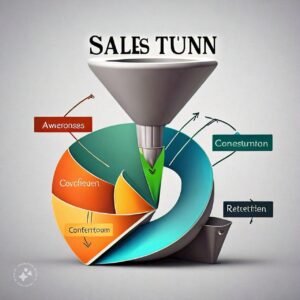
A well-structured sales funnel helps guide potential customers through their buying journey, from awareness to decision. At each stage, you should provide relevant content and touchpoints that address the prospect’s needs and move them closer to making a purchase.
- Awareness: Potential customers learn about your product.
- Interest: They explore how your product can meet their needs.
- Decision: They compare solutions and decide on the best option.
- Action: The customer makes the purchase.
6. Build a Lead Generation Strategy
Lead generation is about attracting potential customers and capturing their interest. Content marketing, social media, webinars, and SEO are excellent ways to bring leads into your funnel. Always make sure you have a system in place for tracking and nurturing these leads, like a Customer Relationship Management (CRM) tool.
7. Optimize Your Pricing Strategy
Your pricing must align with both your target audience and your business goals. Are you positioning yourself as a premium service, or are you aiming for cost-conscious consumers? Pricing impacts not only revenue but also brand perception, so ensure it reflects the value you offer while staying competitive in the market.
8. Create a Sales Pitch That Resonates
Your sales pitch should address your audience’s pain points and clearly explain how your product solves their problems. Avoid jargon and focus on benefits over features. A compelling pitch engages your audience emotionally and builds a connection with your product or service.
9. Train and Empower Your Sales Team
A well-trained sales team is crucial to executing your strategy. Invest in regular training that covers not just product knowledge, but also communication and negotiation skills. Equip your team with the right tools, such as CRM software, email automation, and analytics platforms, to make their jobs easier and more efficient.
10. Measure and Adjust Regularly
Your sales strategy isn’t set in stone. Regularly review your performance against your goals. Use analytics to track conversion rates, average deal size, and the length of your sales cycle. If certain tactics aren’t working, don’t be afraid to pivot and try new approaches.
11. Focus on Customer Retention
While acquiring new customers is important, retaining existing ones is often more cost-effective. Build strong relationships with your customers through excellent customer service and loyalty programs. Happy customers are likely to become repeat buyers and brand advocates.
12. Leverage Technology
Automation tools like email marketing platforms, CRM systems, and sales tracking software can streamline your processes and help you stay on top of leads. This not only saves time but also ensures no potential customer slips through the cracks.
13. Create a Referral Program
Satisfied customers can be your best salespeople. Offer incentives for referrals, such as discounts or rewards, to encourage word-of-mouth marketing. A strong referral program can bring in high-quality leads without increasing your marketing budget.
14. Stay Adaptable
The market and customer preferences can change quickly, especially for startups. Always be ready to adapt your sales strategy to new trends, feedback, or challenges. Flexibility is key to long-term success.
15. Test and Iterate
Finally, treat your sales strategy like a living document. Continuously test new approaches—whether it’s a different sales pitch, a new marketing channel, or a restructured funnel—and make adjustments based on the data you collect. Iteration leads to constant improvement and keeps your startup competitive.
Conclusion
Building an effective sales strategy for your startup doesn’t have to be overwhelming. By breaking it down into clear steps—understanding your audience, defining your value, setting goals, and continuously measuring and adjusting—you can create a plan that drives consistent growth. Remember, a solid sales strategy is not just about short-term wins but about setting up a foundation for long-term success.
FAQs
1. How long does it take to see results from a sales strategy?
It depends on your industry and sales cycle, but typically, you should start seeing initial results within 3 to 6 months.
2. What’s the most important element of a sales strategy?
Understanding your target audience is crucial. If you don’t know who you’re selling to, it’s hard to tailor your efforts effectively.
3. Should I focus more on acquiring new customers or retaining existing ones?
Both are important, but customer retention is often more cost-effective. A balanced approach is ideal for long-term success.
4. What tools can help streamline my sales process?
CRM software like Salesforce or HubSpot, along with email marketing and automation tools, can make managing leads and sales much easier.
5. How do I measure the success of my sales strategy?
Track key metrics such as conversion rates, customer acquisition cost, and revenue growth. Regular reviews will help you stay on track and adjust as needed.