
1. Introduction: Why Jessie Blodgett’s Story Still Haunts People
More than a decade after her tragic death, Jessie Blodgett’s story continues to resonate with people across the world. The 19-year-old musician, actress, and social justice activist from Hartford, Wisconsin, had everything to live for when her life was brutally cut short on 15th July 2013. Her case attracted nationwide attention not only because of the shocking circumstances surrounding her death but also because of the remarkable way her family transformed their grief into a powerful movement for change.
Jessie’s story haunts people because it represents a fundamental betrayal of trust—she was killed by someone she knew, trusted, and had welcomed into her home countless times. In a small town where doors were often left unlocked and neighbours trusted one another, her death shattered the community’s sense of safety and innocence.
This article explores Jessie Blodgett’s vibrant life, her dreams and aspirations, the tragic events that led to her death, the investigation that followed, and the lasting legacy she left behind. Readers will gain insight into who Jessie truly was beyond the headlines, understand the facts of her case, and discover how her family’s forgiveness and advocacy work continues to impact lives today.
2. Who Was Jessie Blodgett? (Early Life & Background)
Jessie Marietta Blodgett was born on 22nd March 1994 in Marietta, Georgia, to parents Buck and Joy Blodgett. She was their only child, and from an early age, it was clear that Jessie possessed exceptional talents and a brilliant mind. In first grade, whilst her classmates were learning basic words, Jessie’s teacher created a special curriculum for her featuring advanced vocabulary like “metamorphosis” and “anesthesiologist.”
The Blodgett family later settled in Hartford, Wisconsin, a small, close-knit community where Jessie flourished. Hartford is a town of approximately 14,000 residents located in Washington County, and prior to Jessie’s death, the community had experienced only two homicides in over a century. This peaceful environment shaped Jessie’s trusting and open nature.
Jessie was known for her infectious personality and boundless enthusiasm for life. Friends described her as someone who could light up any room she entered. “She was a really contagious personality,” her friend Jacquelyn Nyte recalled. “Every time I would go over to her house she would be playing the piano, even when I was trying to talk to her.”
Beyond her musical talents, Jessie was deeply passionate about social causes. She advocated strongly against male violence towards women, championed animal rights, promoted environmental sustainability, and fought for social justice. Her activism wasn’t merely theoretical—Jessie believed in using her gifts to create tangible change in the world.

3. Jessie Blodgett’s Career and Life Dreams
After graduating from Hartford Union High School in 2012, Jessie enrolled at the University of Wisconsin-Milwaukee as a sophomore in 2013, majoring in music education. Her exceptional abilities earned her a prestigious Talent Scholarship from the School of Music Education, a testament to her dedication and skill.
Jessie’s vision for her future was remarkably clear and purposeful. She aspired to become a high school or university choir director, with an ambitious goal of touching 100 young lives every year for 40 years. Through music, she believed she could impact people profoundly and contribute to changing the world. This wasn’t merely a career aspiration but a calling rooted in her conviction that music possessed transformative power.
To support herself and gain teaching experience, Jessie started her own business offering piano, voice, and violin lessons to students in Hartford. Within just two months, she had attracted 26 students, demonstrating both her teaching abilities and her reputation within the community. Each summer, she also volunteered at the Central Middle School Orchestra programme, sharing her passion for music with younger students.
Jessie’s love for performing arts extended beyond teaching. She was an active member of the Hartford Players, a community theatre group, and in July 2013, she landed the title role—playing the fiddler—in their production of “Fiddler on the Roof.” This was a significant achievement, and Jessie dedicated herself completely to the role, balancing rehearsals with her teaching commitments and university studies.
Friends and family remembered Jessie as constantly surrounded by music. Whether playing piano, singing, composing, or teaching, music was the thread that wove through every aspect of her life. Her home became a gathering place for friends who shared her passion for the arts.
4. The Night That Changed Everything
The weekend of 13th-14th July 2013 marked opening weekend for “Fiddler on the Roof” at the Hartford Players. Jessie performed the title role for a packed house, delivering what would tragically become her final performance. By all accounts, the show was a tremendous success, and Jessie was thrilled with how the production had come together.
On the evening of 14th July, the cast and crew gathered for a celebratory pool party at a friend’s home to mark the successful opening. Jessie attended the party, but her mother Joy later revealed that Jessie returned home feeling somewhat unsettled. Two older men at the party had been flirting with her, making her uncomfortable. Jessie even documented these feelings in her diary that night, writing: “I think I’m being corrupted. I think certain men are taking what should be platonic love and perverting it into a competition…” However, she also wrote defiantly: “I am not helpless…”
Jessie arrived home around 12:30 a.m. on 15th July and spoke briefly with her mother before heading to bed. It was the last conversation they would ever have. Joy peeked into Jessie’s room before leaving for work the following morning around 8:00 a.m., seeing her daughter peacefully sleeping. Everything appeared normal.
The Blodgett family had a tradition of leaving their doors unlocked, reflecting the trust and safety they felt in their small community. This openness, whilst testament to Hartford’s typically peaceful nature, would prove tragically consequential.
5. Discovery and Investigation
At approximately noon on 15th July 2013, Joy Blodgett returned home during her lunch break. A piano student was scheduled to arrive for a lesson with Jessie. When Joy went upstairs to check on her daughter, she made a horrifying discovery that would forever change their lives.
Joy found Jessie unresponsive in her bed with obvious ligature marks around her neck. In a state of panic, she immediately called emergency services. “My daughter is blue. I went to wake her up and I just got home from, for lunch and she won’t wake up,” Joy frantically told the 911 dispatcher. Joy attempted CPR, moving Jessie’s body to the floor, though it was already too late.
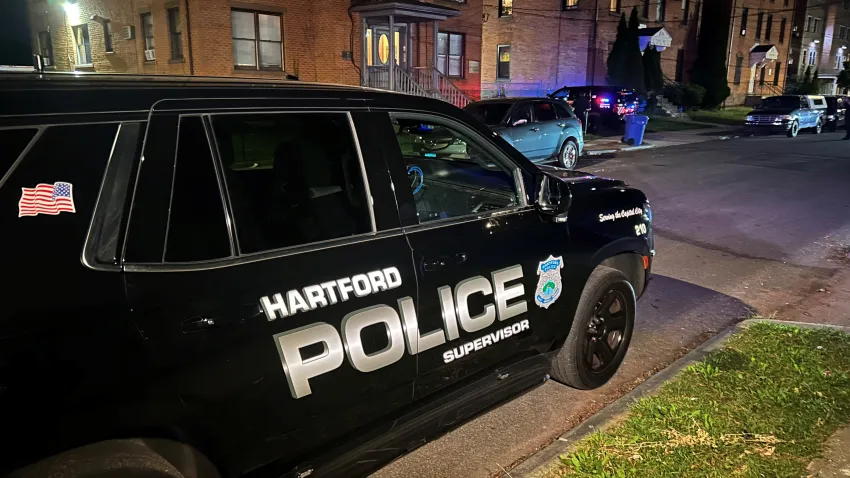
Hartford Police Department officers arrived within minutes and secured the scene. Detective Richard Thickens was amongst the first investigators on site. What they discovered was deeply disturbing—Jessie showed clear signs of strangulation, with marks visible on her neck, wrists, and ankles indicating she had been bound. There were no signs of forced entry, suggesting the killer was someone familiar with the house.
“The house wasn’t ransacked,” Detective Thickens noted. “It looked to us that this person knew right where to go to find her.” An autopsy later confirmed that Jessie had died from strangulation and had been sexually assaulted before her death.
The investigation immediately focused on identifying who had access to the Blodgett home and who might have had motive to harm Jessie. Investigators interviewed family, friends, and recent acquaintances, including two older men from the cast party whom Joy mentioned had made Jessie uncomfortable. After thorough investigation, both men were cleared of involvement.
A breakthrough came when investigators learned about another violent incident that had occurred just three days earlier, on 12th July 2013. A young woman named Melissa Etzler had been viciously attacked whilst walking her dog at Richfield Historical Park, a location near Hartford. A man had approached her from behind with a knife, attempting to assault her. Etzler bravely fought back, sustaining serious injuries to her hands but managing to escape. She provided police with a description of her attacker and his vehicle—a blue Dodge minivan.
6. Arrest, Trial, and Shocking Revelations
The investigation took a dramatic turn when detectives connected the earlier park attack to Jessie’s murder. The suspect in both cases turned out to be someone shockingly close to Jessie—Daniel Bartelt, a 19-year-old former classmate and brief romantic interest from their freshman year at Hartford Union High School.
Daniel Bartelt had been a regular presence in the Blodgett household during Jessie’s high school years. He and Jessie had dated briefly as freshmen before remaining friends. They shared a love of music and had recently been spending time together, even recording a musical duet that Jessie posted on her YouTube channel in May 2013, just two months before her death. Buck Blodgett recalled, “Dan was just over the week before [her death], playing music in Jessie’s music room with her.”
The day after Jessie’s death, the Blodgetts hosted a vigil at their home for Jessie’s friends to mourn together. Bartelt attended, consoling Jessie’s friends and even holding hands with one friend whilst she cried on his shoulder. At that very vigil, police called Bartelt in for questioning regarding the earlier park attack.
During interrogation about the Melissa Etzler assault, Bartelt confessed to being the attacker. He told authorities, “I wanted to scare someone else, because everyone else looks so comfortable.” This disturbing statement revealed a dark psychology beneath his seemingly gentle exterior.
Whilst being questioned, Bartelt made a critical error. He mentioned details about Jessie’s death—specifically that she had been “raped and murdered”—that had not been publicly released. Only the killer and investigators knew these specific details, immediately elevating Bartelt from person of interest to prime suspect.
Surveillance footage from Woodlawn Union Park captured Bartelt’s movements on the morning of Jessie’s death. Following this lead, investigators searched the park’s rubbish bins and made a crucial discovery—a cereal box stuffed with rope, bloody sanitising wipes, and industrial tape. Forensic analysis confirmed that DNA from both Jessie and Bartelt was present on these items.
A search of Bartelt’s home and vehicle uncovered more damning evidence. Police found industrial tape, ropes, and zip ties matching those used in Jessie’s murder. Investigators also discovered disturbing search history on Bartelt’s laptop, including queries about serial killers, “spree killing,” and Wikipedia entries for high-profile strangulation cases. Most disturbingly, they found searches for content depicting scenarios similar to Jessie’s murder.
On 31st July 2013, Daniel Bartelt was formally arrested and charged with first-degree intentional homicide in Jessie’s death. He also faced additional charges related to the attack on Melissa Etzler, including attempted first-degree intentional homicide, first-degree recklessly endangering safety, and false imprisonment.
The trial began in August 2014. Prosecutors presented overwhelming forensic evidence, including Bartelt’s DNA found extensively on Jessie’s body. Washington County District Attorney Mark Bensen told the jury, “Her body was in her room. Do we have any evidence of the defendant on Jessie’s body? It’s all over her body. Jessie’s screaming to us, screaming to us telling her story. His DNA is all under her fingernails.”
Defence attorney Gary Schmaus argued that the evidence was subject to multiple interpretations and maintained Bartelt’s innocence. However, the weight of physical evidence, forensic findings, surveillance footage, and Bartelt’s own incriminating statements proved overwhelming.
The jury found Daniel Bartelt guilty of first-degree intentional homicide. Prosecutors argued that Bartelt had planned the murder, using ropes and tape to restrain Jessie. Bensen described Bartelt as “the most dangerous person” he had ever encountered in his career.
Regarding the earlier park attack, Bartelt ultimately accepted a plea agreement. He pleaded guilty to reckless endangerment, whilst the attempted murder charge against Melissa Etzler was dismissed.
7. Untold & Lesser-Known Facts About Jessie Blodgett
Several aspects of Jessie’s case and her life remain less widely discussed in mainstream media coverage.
Jessie’s Diary Entries: On the night before her death, Jessie wrote thoughtfully in her diary about the uncomfortable interactions at the cast party. Her words revealed both her awareness of inappropriate behaviour and her determination not to be victimised. This entry provides insight into her strong character even in the final hours of her life.
The Forgiveness That Shocked Everyone: At Bartelt’s sentencing, Buck Blodgett delivered a statement that stunned everyone in the courtroom. Speaking directly to his daughter’s killer, Buck said, “Dan, I don’t know if there’s any way on god’s green earth that you, maybe my own family, maybe everyone in this room, I don’t know will understand or believe this, but it’s true. I not only forgive you, I love you.” This extraordinary act of forgiveness whilst still demanding justice became a defining moment in the case.
Bartelt’s Continued Denial: Despite the overwhelming evidence, Daniel Bartelt has never admitted to killing Jessie. During sentencing, he addressed the Blodgetts directly: “Buck, Joy, I can’t give you the answers that you’re looking for. I believe that someday I will be before a court that will know that my conscience is clear.” This denial has left many questions unanswered about his motive.
The Motive Remains Mysterious: Prosecutors suggested that Bartelt targeted Jessie because she was “convenient”—she was someone he knew well, and he had easy access to her home. Friends revealed that Bartelt had expressed interest in rekindling their romantic relationship, but Jessie did not reciprocate those feelings. However, Bartelt has never provided a clear explanation for why he killed his friend.
Community Impact: Hartford had experienced only two homicides in over 100 years before Jessie’s death. The murder shattered the town’s sense of security and innocence. Lt. James Zywicki of the Hartford Police noted, “Prior to Jessie Blodgett’s murder, we hadn’t had a homicide in almost 30 years.”
8. Legacy: Remembering Jessie Blodgett
One month after Jessie’s murder, 500 people gathered for a candlelight vigil in a Hartford park. Across banners, wristbands, and signs was a simple but powerful slogan: “LOVE>hate.” Buck Blodgett realised that something meaningful needed to emerge from this tragedy, and thus, The LOVE>hate Project was born in 2016.
The LOVE>hate Project honours Jessie’s memory by addressing the very issues she cared about during her life—preventing interpersonal violence, promoting healthy relationships, and fostering forgiveness and healing. Buck Blodgett retired from his chiropractic practice to dedicate himself full-time to this mission.
As founder and Executive Director, Buck travels across the United States delivering presentations to schools, corporations, community groups, and even prisons. His message centres on choosing love over hate, encouraging men to pledge not to hurt women, and promoting awareness about domestic violence, gender-based violence, and human trafficking.
Since its inception, Buck has delivered more than 120 presentations across the country and visited 15 of Wisconsin’s state prisons. In 2018, during a presentation at the Prairie du Chien Correctional facility, an inmate challenged Buck, expressing disbelief that he had truly forgiven his daughter’s killer. Buck’s response and the conversations that followed demonstrated the profound impact of The LOVE>hate Project’s message of forgiveness and transformation.
The project provides educational resources, promotes violence prevention programmes, and advocates for victims’ rights. It encourages young people to examine their attitudes about relationships, consent, and respect. The organisation also emphasises the importance of men actively working to end violence against women rather than remaining passive bystanders.
Jessie’s story has been featured on multiple national television programmes, including “Dateline NBC,” “Murdered by Morning,” “Dateline: Secrets Uncovered,” and Investigation Discovery’s “A Killer Among Friends,” helping to spread awareness about the issues she cared deeply about.
Buck Blodgett authored a book titled “A Message from Jessie,” sharing their family’s journey through grief and their commitment to creating positive change from tragedy. The book explores themes of forgiveness, healing, and the power of choosing love in response to hatred.
9. Lessons and Questions That Remain
Jessie Blodgett’s case offers several important lessons about safety, awareness, and community responsibility.
Trust Does Not Equal Safety: The Blodgett family’s practice of leaving their doors unlocked reflected their trust in their community. Whilst this openness reflected Hartford’s typically peaceful nature, Jessie’s case demonstrates that danger can come from unexpected sources, even in small, tight-knit communities. Safety measures should be maintained regardless of how safe a neighbourhood appears.
Warning Signs of Violence: Daniel Bartelt’s attack on Melissa Etzler three days before killing Jessie demonstrated an escalating pattern of violence. His statement that he wanted to “scare someone else, because everyone else looks so comfortable” revealed disturbed thinking. Recognising and reporting concerning behaviour can potentially prevent future violence.
The Importance of Healthy Relationships: Friends mentioned that Bartelt had expressed renewed romantic interest in Jessie, but she did not reciprocate. Teaching young people about healthy relationship dynamics, respecting boundaries, and handling rejection appropriately remains crucial for preventing violence.
Justice and Healing Are Not Mutually Exclusive: Buck Blodgett’s forgiveness of Bartelt whilst simultaneously demanding justice demonstrated that healing and accountability can coexist. His approach offers an alternative model for responding to violent crime that prioritises transformation over perpetuating cycles of hatred.
Unanswered Questions: Daniel Bartelt’s continued denial and refusal to provide a clear motive means that many questions remain unanswered. Why did he target Jessie specifically? What triggered the escalation from the park attack to murder? These mysteries continue to haunt those who knew and loved Jessie.
The Power of Advocacy: The LOVE>hate Project demonstrates how families can channel grief into meaningful action that honours their loved one’s values whilst helping prevent similar tragedies. Jessie’s advocacy work in life has been amplified exponentially through her family’s efforts after her death.
10. Final Thoughts
Jessie Blodgett was far more than a victim of a tragic crime. She was a talented musician, dedicated teacher, passionate activist, and beloved daughter and friend who touched countless lives during her 19 years. Her dreams of using music to change the world and impact 100 young lives each year for 40 years were cut short, but through The LOVE>hate Project, her influence has reached far more people than she might have ever imagined.
In August 2014, Judge Todd Martens sentenced Daniel Bartelt to life in prison without the possibility of parole. In his remarks, Judge Martens stated, “I find that the gravity of this offence, the premeditation, the brutality, is so overwhelming I think the Blodgetts are entitled to know that even after they’re gone, there’s no chance the defendant will ever walk the streets again and endanger someone else.”
Bartelt attempted to appeal his conviction in 2018, but the Wisconsin Supreme Court affirmed the guilty verdict, with the majority finding that proper legal procedures had been followed. He remains incarcerated in the Wisconsin prison system, where he will spend the remainder of his life.
For Buck and Joy Blodgett, honouring Jessie’s life—rather than being defined by the tragedy of her death—remains their primary focus. Through their advocacy, public speaking, and forgiveness, they exemplify the resilience of the human spirit and the transformative power of choosing love over hate.
Jessie’s story reminds us that behind every crime statistic is a real person with dreams, talents, loved ones, and the potential to make a difference. It challenges us to examine our own attitudes about violence, relationships, forgiveness, and community responsibility. Most importantly, it calls us to action—to work actively towards creating a world where talented young people like Jessie can pursue their dreams without fear.
As Buck Blodgett often says in his presentations, “This is a sick world, filled with a lot of sickness, obviously. We got to get better at bringing more love into it.” Jessie’s legacy continues through every person who hears her story and chooses to add more love to the world rather than perpetuating cycles of violence and hatred.
Daniel Bartelt is currently serving a life sentence without the possibility of parole at a Wisconsin correctional facility. The LOVE>hate Project continues its advocacy work, promoting violence prevention and forgiveness. For more information about The LOVE>hate Project, visit their official website.

Asif Ali is an entertainment content creator and movie enthusiast at Movie Trend. I covers the latest movie news, OTT updates, and trending entertainment stories with a focus on accuracy, originality, and reader value.