What Sundance Represents
The Sundance Film Festival stands as cinema’s premier launchpad for independent talent, with its 2026 edition showcasing 90 feature-length films representing 28 countries and territories. Since 1985, the festival has consistently introduced groundbreaking films and emerging voices that redefine independent cinema. From transformative works like CODA and The Farewell to cultural phenomena like Get Out and Whiplash, Sundance has proven its unmatched ability to identify and nurture cinematic talent before the world takes notice.
Fresh perspectives and diverse storytelling have become increasingly vital in an industry often dominated by established voices and formulaic narratives. New filmmakers bring authentic experiences, innovative visual languages, and stories that challenge conventional wisdom whilst reflecting contemporary global realities. These voices drive cultural shifts, expand the boundaries of cinematic expression, and connect with audiences seeking genuine representation on screen.
Sundance 2026 in Context
The 2026 Sundance Film Festival is scheduled to be held in Park City and Salt Lake City, Utah from 22nd January to 1st February 2026, marking a significant milestone as this edition represents the final Sundance Film Festival ever held in Utah before the festival relocates to Boulder, Colorado in 2027. This year’s programme is composed of 36 of 90 (40%) feature film directors who are first-time feature filmmakers, emphasising the festival’s unwavering commitment to discovering and championing new talent.
The 2026 edition arrives at a poignant moment following the passing of festival founder Robert Redford in September 2025, making this year’s selection both a celebration of his visionary legacy and a bold statement about the future of independent cinema. The festival promises bold storytelling and diverse global filmmakers who continue the tradition Redford established over four decades ago.
Image 2: [Collage of international filmmakers at Sundance with diverse backgrounds]
II. Defining a “Breakout Filmmaker”
Who Counts as a Breakout
A breakout filmmaker typically represents a first- or second-time feature director making their mark on the international stage. These are artists who bring fresh cinematic languages to the screen, whether through innovative visual storytelling, unique cultural perspectives, or narratives that illuminate underrepresented experiences. They challenge existing conventions whilst honouring cinematic traditions, creating work that feels simultaneously familiar and revolutionary.
Beyond technical proficiency, breakout filmmakers possess a distinctive voice that cannot be replicated. They draw from personal experiences, cultural heritage, or social observations to craft stories that resonate with universal themes whilst maintaining specific authenticity. Their work often explores identity, displacement, community, and transformation through lenses that mainstream cinema has historically overlooked.
Industry Impact
Sundance has historically served as the definitive springboard for major careers in independent cinema. Recent examples include CODA (2021), which became the first streaming film to win the Academy Award for Best Picture after its Sundance triumph. Lulu Wang’s The Farewell (2019) launched both the director and star Awkwafina into mainstream recognition. Jordan Peele’s Get Out (2017) transformed the horror genre whilst addressing racial dynamics in America, earning an Oscar for Best Original Screenplay.
A.V. Rockwell’s debut feature, A Thousand and One, earned the 2023 Sundance Film Festival U.S. Dramatic Grand Jury Prize, establishing her as a significant voice in American independent cinema. These success stories set a powerful precedent for the 2026 edition, where audiences and industry professionals arrive expecting to discover the next generation of cinematic visionaries.
III. Emerging Voices and Must-Watch Filmmakers at Sundance 2026
A. International New Voices
Wregas Bhanuteja — Levitating
Indonesian director Wregas Bhanuteja presents Levitating (Indonesian: Para Perasuk), a supernatural drama that will have its world premiere on 24th January 2026 at the 2026 Sundance Film Festival, competing in the World Cinema Dramatic Competition section. The film represents an imaginative take on supernatural drama, set in a town where pleasure equals being possessed by spiritual beings, following Bayu, who aspires to become the shaman of a trance party to fundraise enough money to prevent an impending eviction.
The young spirit channeller Bayu uses his flute to channel spirits into dancers at trance parties, all whilst modern distractions and environments threaten his power. This unique premise explores Indonesian cultural traditions through a contemporary lens, creating what promises to be a visceral ride through the esoteric world of trance dance hypnosis. The film represents not merely supernatural entertainment but a celebration of music, dance, and shared joys within a specific community, offering global audiences an intimate glimpse into a foreign yet relatable world.
Olive Nwosu — Lady
Nigerian-born writer-director Olive Nwosu’s debut feature Lady will have its world premiere in the World Cinema Competition category at Sundance 2026. Set in Lagos, the film follows a fiercely independent young cab driver whose encounter with a group of sex workers draws her into their sisterhood.
The film is set in the restless night of Lagos, where one of the city’s few female cab drivers, Lady, survives by staying tough and focused, dreaming of escape and saving her earnings for a new life far from the chaos of this Nigerian metropolis. Olive Nwosu is an award-winning screenwriter and director born in Lagos, Nigeria, now living in London, who graduated with an MFA in Filmmaking from Columbia University School of the Arts.
Nwosu described the project as her “love letter to the women of Lagos: a mythic portrait of joy, danger, and self-invention,” adding that she “wanted to honour lives that cinema has too often overlooked, and to do it with the same integrity, care, and community that shaped the story itself”. Nwosu is an alumna of the Sundance Lab and spent time with Nigerian sex workers to research the film, which features a standout soundtrack of contemporary African jazz and dance music and is cast with local talent.
THUNDERLIPS — Mum, I’m Alien Pregnant
New Zealand director duo THUNDERLIPS brings Mum, I’m Alien Pregnant, a film about a messy millennial underachiever who accidentally gets alien-pregnant and must overcome sceptical doctors, a useless baby daddy, and her oversharing mum in order to survive and reclaim her life. This comedy body horror is described as “equal parts funny, frightening, and emotional,” celebrating its world premiere as part of the Midnight section on Friday, 23rd January.
This genre-bending sci-fi/horror comedy represents New Zealand’s tradition of irreverent, boundary-pushing cinema. By combining body horror with millennial comedy, THUNDERLIPS creates a unique cinematic experience that explores contemporary anxieties about motherhood, bodily autonomy, and family dynamics through an absurdist lens.
B. American Breakout Directors
The American independent scene also features several promising debut directors. Ramzi Bashour presents Hot Water, a feature directorial debut exploring themes of identity and displacement, developed through the prestigious Sundance Labs programme. Beth de Araújo offers Josephine, an emerging voice tackling trauma and childhood through powerful narrative filmmaking. Documentary storyteller Rachael J. Morrison brings Joybubbles, providing a unique historical lens that promises to illuminate overlooked stories from American history.
C. Directors Reinventing Their Voices
Aidan Zamiri — The Moment
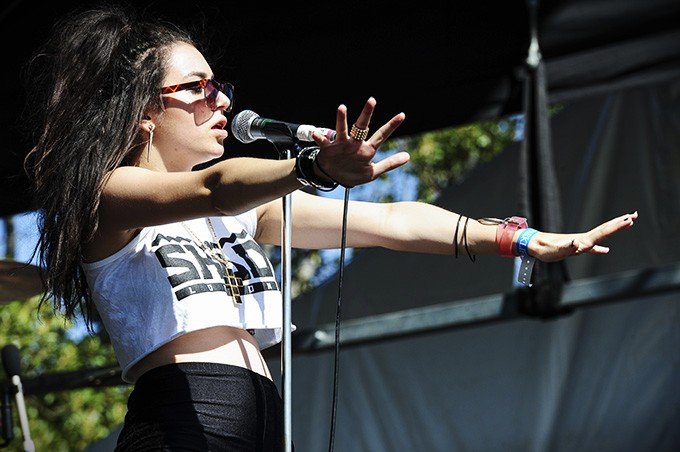
The Moment will have its world premiere at the 2026 Sundance Film Festival and is scheduled to be released in the United States by A24 on 30th January 2026. This mockumentary revolves around a pop star gearing up to lead her first headlining tour, with Charli XCX starring as a version of herself.
The feature directorial debut of Aidan Zamiri stars pop icon Charli XCX as herself, representing a stylistic standout that blends autobiography with satire. Aidan Zamiri is known for Charli XCX Feat. Billie Eilish: Guess (2024) and Charli XCX: 360 (2024), having previously directed several music videos for the artist before transitioning to feature filmmaking.
Though not a first-timer in visual storytelling, Zamiri represents the new voice of hybrid cinema, blurring the lines between documentary and fiction, music video aesthetics and narrative filmmaking. His work with Charli XCX promises an insider’s perspective on the music industry, fame, and creative authenticity in the social media age.
Other Established Figures with Fresh Work
The 2026 programme includes new narrative projects by filmmakers like Gregg Araki (“I Want Your Sex”), Macon Blair (“The Shitheads”), Josephine Decker (“Chasing Summer”), Jay Duplass (“See You When I See You”), and Cathy Yan (“The Gallerist”). Whilst not breakout directors in the traditional sense, their inclusion elevates how new voices interact with cinematic tradition, providing both inspiration and context for emerging filmmakers.
Image 6: [World map highlighting global cinema representation at Sundance]
IV. What These Filmmakers Signal for Cinema
Cultural & Aesthetic Diversity
The 2026 programme features films representing 28 countries and territories, with significant representation from Indonesia, Nigeria, New Zealand, and beyond. Cross-cultural narratives expand global storytelling by bringing authentic voices from regions historically underrepresented in international cinema. Wregas Bhanuteja’s Indonesian supernatural drama, Olive Nwosu’s Lagos-set character study, and THUNDERLIPS’ New Zealand sci-fi comedy each offer windows into distinct cultural experiences whilst exploring universal human themes.
This cultural diversity enriches cinema by challenging Western-centric perspectives and introducing audiences to different narrative traditions, visual aesthetics, and storytelling rhythms. Indian viewers, in particular, may recognise parallels between these international voices and India’s own thriving independent cinema movement, which similarly seeks to tell authentic local stories for global audiences.
Genre Innovation
The 2026 lineup demonstrates that contemporary independent cinema refuses to be constrained by traditional genre boundaries. Films transcend typical indie drama through horror-comedy hybrids, supernatural narratives, mockumentaries, and archival documentaries. This genre experimentation reflects both artistic ambition and audience sophistication, as viewers increasingly seek complex, multilayered cinematic experiences rather than predictable formulas.
Mum, I’m Alien Pregnant exemplifies this trend by combining body horror with comedy and emotional depth. Levitating merges supernatural elements with social commentary about community and displacement. The Moment creates a new form of celebrity documentary that questions the very nature of authenticity in the age of social media. These innovations suggest that independent cinema remains the space where formal experimentation can flourish without commercial constraints.
Social Relevance
Themes of identity, trauma, belonging, and societal change dominate the 2026 programme. Lady explores female solidarity and survival in contemporary Lagos, addressing economic precarity and social stigma. Levitating examines how traditional cultural practices survive under pressure from modernisation. The Moment dissects fame, mental health, and artistic integrity in the music industry.
These films foreground urgent contemporary concerns whilst telling compelling human stories. They demonstrate that political and social relevance need not come at the expense of entertainment or artistic beauty. Instead, the most powerful independent cinema integrates social consciousness seamlessly into narrative structures that engage audiences emotionally before challenging them intellectually.
Image 7: [Film festival audience watching diverse cinema]
V. Broader Trends at Sundance 2026
Global Representation
The 2026 Sundance Film Festival programme was selected from 16,201 submissions from 164 countries or territories, including 4,255 feature-length films. The heavy international presence reflects both increased global film production and Sundance’s deliberate commitment to showcasing diverse voices. Hybrid language films that incorporate multiple languages and cultural frames increasingly dominate the programme, reflecting the multilingual reality of contemporary global experience.
For Indian viewers accustomed to multilingual cinema and cross-cultural storytelling, this trend may feel particularly familiar. The globalisation of independent cinema creates opportunities for increased collaboration and cultural exchange between filmmaking communities worldwide, potentially opening doors for more Indian voices at international festivals.
Story Experimentation
Genre-bending titles indicate that both audiences and programmers embrace riskier, bolder filmmaking that challenges conventional narrative structures. The 2026 programme features mockumentaries, hybrid documentaries, supernatural dramas, and films that defy easy categorisation. This experimentation extends beyond genre to incorporate unconventional narrative structures, unreliable narrators, and films that question the nature of cinematic truth itself.
Such experimentation remains crucial for cinema’s evolution as an art form. Whilst mainstream commercial cinema often relies on proven formulas, independent festivals like Sundance provide essential spaces where filmmakers can take creative risks without the pressure of massive box office returns.
Intersection of Music & Film
The Moment is a tongue-in-cheek mockumentary starring the singer as a version of herself as she prepares for her first arena tour after the wild success of her album brat. Music-influenced storytelling showcases cross-disciplinary creativity, reflecting how contemporary artists increasingly work across multiple mediums. The collaboration between Aidan Zamiri and Charli XCX demonstrates how music video aesthetics can inform feature filmmaking, creating visually dynamic works that appeal to audiences raised on MTV and YouTube.
This intersection becomes particularly relevant in the Indian context, where music has always played a central role in cinema. The global trend toward music-driven storytelling may create opportunities for Indian filmmakers to leverage their traditional strengths whilst engaging with international independent cinema.
Image 8: [Sundance Film Festival theatre premiere scene]
VI. Conclusion
Looking Ahead
Sundance 2026 provides a comprehensive snapshot of where independent cinema is headed in the coming years. The emphasis on first-time feature directors, global representation, genre experimentation, and socially relevant storytelling suggests an independent film landscape that is more diverse, ambitious, and interconnected than ever before. These breakout filmmakers represent not merely individual talents but broader movements toward more inclusive, boundary-pushing cinema that reflects contemporary global realities.
The festival’s final year in Utah carries symbolic weight, marking the end of one era whilst confidently launching another. The selected films demonstrate that independent cinema remains vibrant, relevant, and essential for discovering new voices and perspectives that commercial cinema often overlooks.
Why Readers/Viewers Should Care
These voices reflect a new cinematic moment—more inclusive, boundary-pushing, and resonant with global audiences seeking authentic stories and fresh perspectives. For Indian viewers specifically, following these international breakout filmmakers offers multiple benefits. Understanding global independent cinema trends can inform and inspire India’s own thriving indie film movement. Witnessing how filmmakers from Indonesia, Nigeria, and New Zealand tell their stories may provide insights applicable to Indian storytelling.
Moreover, as Indian cinema increasingly seeks international recognition at festivals like Sundance, understanding what resonates with global audiences becomes crucial. The success of these breakout filmmakers demonstrates that authentic cultural specificity, rather than being a barrier, often becomes the most compelling aspect of independent cinema. Their bold experimentation with form and genre, combined with deep engagement with social issues, offers a template for how regional cinema can achieve global impact whilst maintaining local authenticity.
The 2026 Sundance Film Festival reminds us that cinema’s future lies not in homogenisation but in the passionate voices of filmmakers committed to telling stories that matter, in forms that challenge and excite. These breakout directors deserve attention not merely because they might become famous but because they are already creating the cinema we need right now—bold, diverse, innovative, and profoundly human.

Asif Ali is an entertainment content creator and movie enthusiast at Movie Trend. I covers the latest movie news, OTT updates, and trending entertainment stories with a focus on accuracy, originality, and reader value.