If you’ve ever wondered how successful businesses consistently turn leads into paying customers, the secret lies in mastering the sales funnel. Understanding each stage of the funnel helps you guide prospects smoothly through their buying journey. So, let’s break down the sales funnel and explore how each stage can lead to better conversions.
What Is a Sales Funnel?
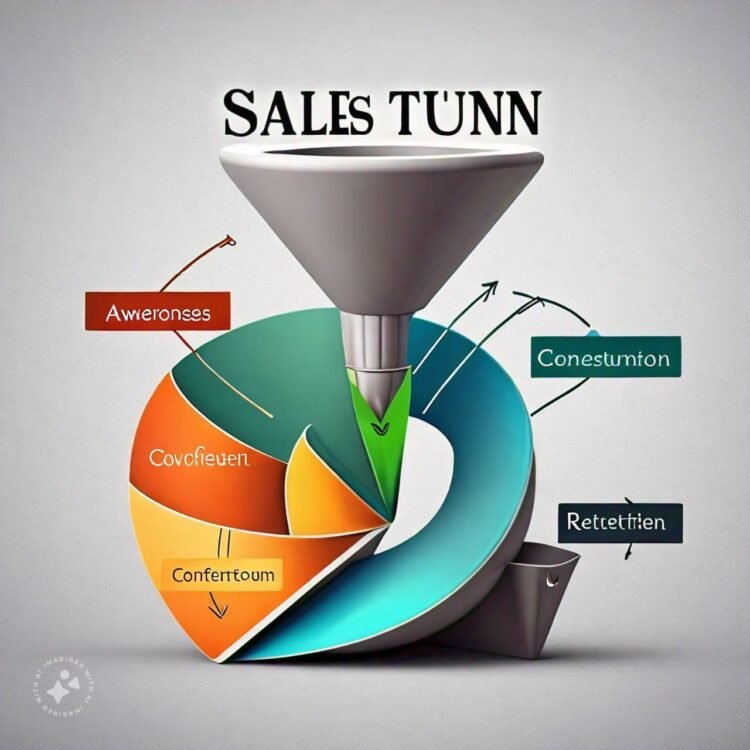
A sales funnel represents the customer journey from the first interaction with your brand to making a purchase. It narrows down as prospects move through various stages, helping you filter out those most likely to convert into customers.
Why Is the Sales Funnel Important?
Without a clear understanding of your sales funnel, you’re essentially walking in the dark. It provides you with a roadmap of customer behavior, enabling you to strategize effectively and make improvements where necessary. The result? Better conversions and higher revenue.
The Stages of a Sales Funnel
The typical sales funnel consists of four key stages: Awareness, Interest, Decision, and Action. Each step requires a different approach, and we’ll break it down step by step.
1. Awareness: Getting on Their Radar
This is the top of the funnel, where your prospects first discover your business. Whether through social media, blogs, ads, or SEO, your goal here is to grab their attention. It’s like waving a flag and saying, “Hey, we exist!”
How to Optimize the Awareness Stage
- Use SEO to boost visibility: Optimize your website and content for search engines to ensure your target audience finds you when they’re looking for solutions.
- Leverage social media ads: Platforms like Facebook and Instagram offer targeted advertising, which helps you reach people who fit your buyer persona.
2. Interest: Building Curiosity
Once you have your prospects’ attention, the next step is to spark their curiosity. Here, they are exploring your brand, trying to figure out if you offer something they need.
How to Engage at the Interest Stage
- Email marketing: A well-crafted welcome email series can nurture interest. Provide valuable content that solves a problem or answers a common question.
- Content marketing: Blogs, videos, and webinars that address the pain points of your target audience will keep them engaged and coming back for more.
3. Decision: Time to Make a Choice
Now, your prospect is evaluating options and narrowing down their choices. They’re likely comparing your offering with competitors and deciding who to trust.
How to Influence the Decision Stage
- Customer testimonials and reviews: People trust other customers more than they trust brands. Highlight positive reviews, case studies, or testimonials on your website.
- Offer free trials or demos: Let potential customers experience your product or service risk-free. This reduces uncertainty and helps them visualize the value you offer.
4. Action: Sealing the Deal
At the bottom of the funnel, your prospect is ready to take action—whether that’s making a purchase, signing up, or contacting your sales team. This is the moment of conversion, but don’t relax just yet!
How to Maximize Conversions at the Action Stage
- Simplify the checkout process: A long or complicated checkout process can cause cart abandonment. Keep things simple with easy-to-follow steps and multiple payment options.
- Provide a clear call-to-action (CTA): Your CTAs should be prominent and direct. Whether it’s “Buy Now” or “Sign Up Today,” your CTA needs to be bold and specific.
What Happens After the Funnel?
The funnel doesn’t end after a customer completes a purchase. Post-purchase activities are crucial to retaining customers and turning them into repeat buyers or loyal brand advocates.
5. Retention: Keep Them Coming Back
Once you’ve converted a customer, your focus should shift to customer retention. Happy customers are likely to return, and loyal customers can even become your brand advocates.
Retention Strategies
- Personalized follow-ups: Send personalized emails thanking them for their purchase and offering related product recommendations.
- Loyalty programs: Offer discounts or exclusive deals to keep them engaged with your brand.
6. Advocacy: The Power of Word-of-Mouth
Satisfied customers can be your most effective marketing tool. By providing excellent service and asking for referrals, you can expand your customer base through word-of-mouth.
How to Encourage Advocacy
- Referral programs: Offer incentives for customers who refer your business to others.
- Collect and display user-generated content: Encourage customers to share their experiences on social media, and feature them on your channels.
How to Track Your Sales Funnel Success
A funnel is only as good as your ability to measure its performance. Tools like Google Analytics, CRM systems, or specialized funnel software can help you track where leads drop off and how many convert.
Conclusion
Understanding the stages of the sales funnel is crucial for optimizing each step and improving your conversion rates. Whether you’re drawing in leads at the awareness stage or closing the deal at the action stage, each step is an opportunity to guide prospects closer to becoming loyal customers.
FAQs
1. What is the most important stage in the sales funnel?
All stages are important, but the decision stage is critical since it’s where prospects are making the final choice between you and your competitors.
2. How can I increase conversions at the action stage?
Simplifying your checkout process and providing clear CTAs can significantly boost conversions at the action stage.
3. What tools can I use to track my sales funnel?
Tools like Google Analytics, HubSpot, or ClickFunnels can help you monitor and optimize your sales funnel effectively.
4. Should I focus more on customer acquisition or retention?
Both are important, but focusing on retention can be more cost-effective in the long run, as repeat customers tend to spend more.
5. How do I create content for each stage of the sales funnel?
For the awareness stage, focus on informative blog posts. For the interest stage, offer in-depth guides or webinars. At the decision stage, use case studies or demos, and at the action stage, ensure your website is optimized for quick conversions.