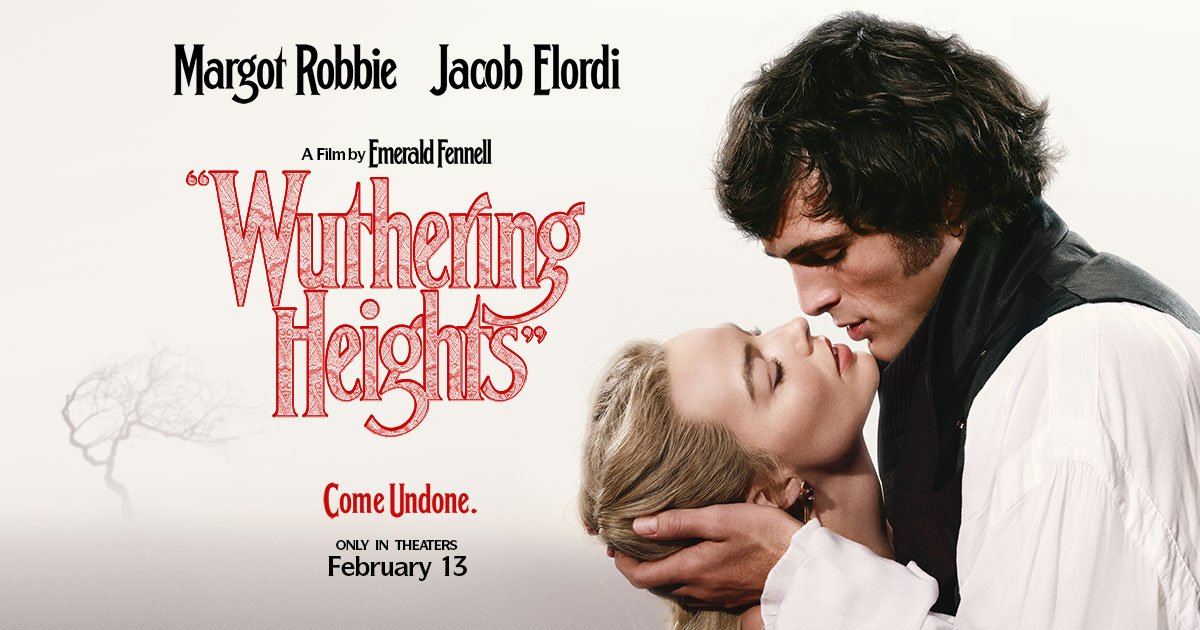
🔥A Love Story or a Warning Sign?
For decades, Wuthering Heights has been celebrated as one of literature’s greatest romantic classics. Film adaptations have portrayed the tumultuous relationship between Heathcliff and Catherine Earnshaw as an epic tale of passionate, undying love. However, a closer examination reveals something far more troubling. What many viewers interpret as romance is actually a deeply toxic relationship built on obsession, manipulation, and emotional destruction. As discussions around the upcoming Wuthering Heights Movie 2026 gain momentum, it’s time to reassess this so-called love story. The film adaptations have romanticized a relationship that serves more as a cautionary tale than a blueprint for true love.
📖 Quick Background: From Novel to Screen
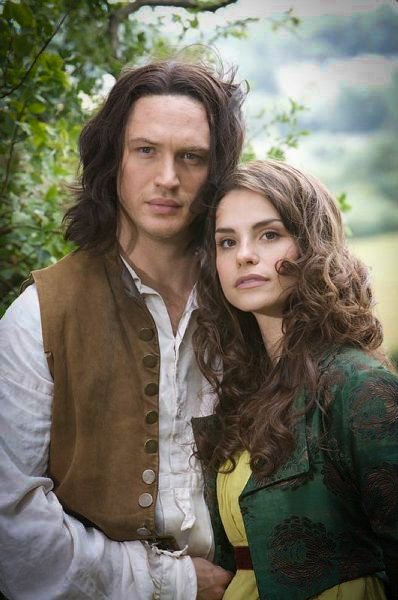
Emily Brontë’s groundbreaking novel, published in 1847, shocked Victorian readers with its raw portrayal of human emotion and darkness. The story has been adapted numerous times for the screen, with major film versions appearing in 1939 (starring Laurence Olivier and Merle Oberon), 1992 (featuring Ralph Fiennes and Juliette Binoche), 2009 (a British television adaptation), and 2011 (Andrea Arnold’s gritty interpretation).
Each adaptation has shaped public perception differently. The 1939 version softened the story’s darker elements, presenting it as a sweeping romance. The 1992 adaptation emphasized Gothic passion, while the 2011 version attempted a more realistic, raw approach. Cinema has largely chosen to highlight the romantic elements—the windswept moors, intense gazes, and dramatic declarations—often glossing over the psychological abuse and destructive behaviour that defines the central relationship.
💔 Heathcliff: The Ultimate Obsessive Lover
Heathcliff is often portrayed as a romantic hero, but his actions tell a different story. His childhood trauma and abandonment issues created deep emotional instability that manifests as destructive behaviour throughout his life. His feelings for Catherine are not love but obsession—a desperate need to possess rather than cherish.
The character displays classic patterns of emotional and psychological abuse. After Catherine marries Edgar Linton, Heathcliff’s response is not acceptance but revenge. He deliberately marries Isabella Linton to inflict pain, treats her with cruelty, and orchestrates a campaign of destruction against both the Earnshaw and Linton families. His manipulation extends to the next generation, forcing young Catherine and Linton into marriage.
Many film adaptations romanticize Heathcliff’s darkness, presenting his cruelty as evidence of his intense passion. Attractive casting choices and moody cinematography soften his abusive behaviour, making audiences sympathize with a character who should be recognized as deeply troubled and harmful.
🌪 Catherine Earnshaw: Passion or Emotional Chaos?
Catherine’s character is equally problematic. Her famous declaration—”I am Heathcliff”—is often quoted as romantic, but it reveals unhealthy enmeshment rather than genuine love. She cannot distinguish her identity from Heathcliff’s, a classic sign of codependency.
Her indecisiveness between Edgar and Heathcliff stems not from genuine conflict but from her inability to make mature, healthy choices. She chooses Edgar for social status while maintaining an emotional affair with Heathcliff, refusing to commit fully to either relationship. Her emotional manipulation—using dramatic outbursts, illness, and threats—controls those around her.
Catherine’s self-destructive choices ultimately lead to her death, but not before causing immense pain to everyone in her orbit. Her character demonstrates how toxic attachment dynamics create cycles of suffering that extend beyond the primary relationship.
⚠️ Red Flags in Their Relationship
The relationship between Heathcliff and Catherine displays numerous warning signs that modern audiences should recognize:
- Extreme jealousy: Heathcliff’s possessiveness knows no bounds
- Revenge marriages: Both use other people as weapons against each other
- Emotional manipulation: Constant threats, dramatic scenes, and guilt-tripping
- Control and possessiveness: Neither allows the other genuine freedom
- Lack of communication: They never have honest, mature conversations about their feelings
- Trauma bonding: Their connection is based on shared childhood pain rather than healthy compatibility
- Obsession over love: The relationship is about possession, not partnership
- Generational damage: Their toxicity destroys the lives of their children
🎬 How Film Adaptations Romanticize Toxicity
Cinema has a powerful ability to transform narrative perception through visual and auditory elements. Film adaptations of Wuthering Heights employ sweeping orchestral scores, atmospheric cinematography of the Yorkshire moors, and lingering close-ups to create an aura of romance around fundamentally destructive behaviour.
The casting of attractive actors like Laurence Olivier, Ralph Fiennes, and Tom Hardy softens the audience’s perception of Heathcliff’s cruelty. When a conventionally handsome actor delivers lines dripping with obsession, viewers interpret it as passion rather than the red flag it represents.
The book’s stark realism—depicting physical violence, psychological torment, and the grim consequences of revenge—is often sanitized on screen. Filmmakers focus on the passionate moments while minimizing scenes that would clearly identify the relationship as abusive.
🧠 Modern Psychological Perspective
Contemporary psychology offers frameworks to understand what Brontë portrayed over 170 years ago. The relationship demonstrates classic trauma bonding, where shared childhood suffering creates an unhealthy attachment that mimics love. This bond feels intense because it’s rooted in pain, not genuine compatibility.
The characters display codependent behaviour patterns—they cannot function independently and define themselves through their relationship. Heathcliff exhibits traits associated with narcissistic personality disorder, including grandiosity, lack of empathy, and using others as objects for his revenge.
The emotional abuse cycles are textbook: idealization (childhood friendship), devaluation (Catherine’s marriage), and discard (Heathcliff’s revenge), followed by obsessive attempts to reclaim the relationship even after death. Modern audiences, more aware of mental health and relationship dynamics, increasingly recognize these patterns as dangerous rather than romantic.
Wuthering Heights Movie 2026: Release Date, Cast & Latest Updates
🆚 Is It Passion or Poison?
Compare Wuthering Heights to genuinely healthy love stories, and the difference becomes clear. True love involves mutual respect, trust, support, and the desire for the other person’s happiness. Heathcliff and Catherine want to consume each other, not support each other’s growth.
Intensity is not the same as intimacy. Their relationship is certainly intense—filled with dramatic declarations and powerful emotions—but it lacks genuine intimacy: vulnerability, honesty, emotional safety, and mutual care. The suffering they inflict on each other and those around them is not evidence of deep love; it’s evidence of deep dysfunction.
👥 Why Audiences Still Love It
Despite its toxicity, Wuthering Heights remains beloved for several reasons. The Gothic aesthetic—dark moors, crumbling estates, tortured souls—holds enduring appeal. The forbidden love trope, where social barriers prevent the relationship, creates sympathy for the characters.
Literary prestige plays a role; readers and viewers want to appreciate a “classic.” The story’s cultural influence on the “dark romance” genre means it shaped expectations for what intense love should look like, even though this model is deeply unhealthy.
The narrative also taps into the human fascination with extremes. The relationship is so intense, so all-consuming, that it feels significant in a way everyday life rarely does—even if that significance is ultimately destructive.
📌 The Real Message: A Cautionary Tale
When viewed objectively, Wuthering Heights is less a romance and more a tragedy documenting the destructive power of obsession. The impact extends beyond Heathcliff and Catherine to destroy multiple generations. Young Cathy and Hareton inherit a legacy of trauma, manipulation, and abuse.
The story ends in death, misery, and isolation. Heathcliff dies alone, still obsessing over Catherine. Their families are torn apart. Property is stolen, marriages are forced, and innocent people suffer for the sins of the previous generation.
Emily Brontë may well have been criticizing toxic love all along. Writing in the Victorian era, when women had few choices and passionate declarations were often confused with genuine affection, she created a story that reveals the hollow center of obsessive attachment.
🤔 FAQs
Is Wuthering Heights a romance or a tragedy? While marketed as a romance, Wuthering Heights is fundamentally a tragedy. It depicts the destructive consequences of obsession, revenge, and unhealthy attachment patterns.
Was Heathcliff abusive? Yes. Heathcliff displays emotional, psychological, and physical abuse throughout the story. He manipulates, controls, and deliberately hurts those around him, including his wife Isabella and his son Linton.
Why do people consider Heathcliff romantic? Film adaptations romanticize Heathcliff through attractive casting, atmospheric cinematography, and emphasizing his passionate declarations while minimizing his abusive actions. The Gothic aesthetic and “tortured hero” archetype also contribute to this misinterpretation.
Is Wuthering Heights a toxic relationship example? Absolutely. The relationship displays numerous red flags including obsession, manipulation, control, revenge, codependency, and lack of healthy communication—all hallmarks of toxic relationships.
Which film adaptation portrays the story most accurately? The 2011 Andrea Arnold adaptation is considered the most realistic, depicting the harsh conditions, violence, and psychological darkness with less romantic glamorization than earlier versions.
🎯 Conclusion: The Dark Side of “Epic Love”
As anticipation builds for the Wuthering Heights Movie 2026, viewers should approach this classic with critical eyes. The story challenges romantic ideals by showing how passion without respect, intensity without intimacy, and obsession masquerading as love lead only to destruction.
Sometimes the most passionate love stories are the most destructive. Wuthering Heights reminds us that suffering does not equal depth, and possessiveness is not proof of affection. True love builds people up; toxic love tears them down. The enduring power of Brontë’s masterpiece lies not in its romance but in its unflinching portrayal of how wounded people can wound others—and how that pain echoes through generations.
The real lesson of Wuthering Heights is not that love conquers all, but that unhealthy relationships destroy everything they touch. That’s a message worth remembering, regardless of how beautifully it’s filmed.
Disclaimer: This article provides analysis and commentary on literary and film adaptations. All information is factual and based on publicly available sources. This content is created for educational and entertainment purposes in compliance with Google AdSense and Google News policies.

Asif Ali is an entertainment content creator and movie enthusiast at Movie Trend. I covers the latest movie news, OTT updates, and trending entertainment stories with a focus on accuracy, originality, and reader value.